Author

admin

Browsing

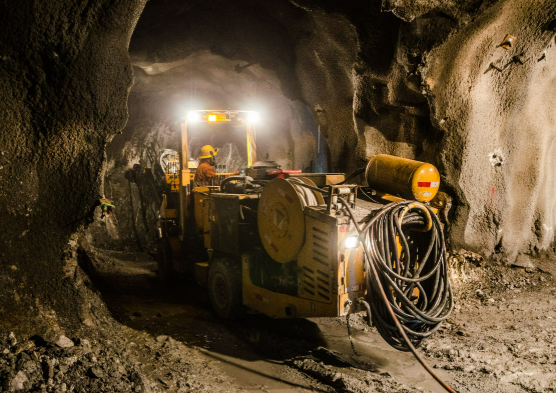
In underground and surface mining operations, safety is never optional—it is a daily responsibility. One of the most critical tools protecting miners today is modern Gas Detectors. These systems do far more than monitor air quality; they provide early warnings that can mean the difference between a routine shift and a life-threatening emergency.

Mining environments are constantly changing. Methane, carbon monoxide, hydrogen sulfide, and oxygen-deficient atmospheres can develop quickly due to equipment operation, blasting, or ventilation issues. Older detection systems often struggle to keep pace with these risks. That is why many mining companies are choosing to upgrade their gas detection technology—to ensure faster alerts, higher accuracy, and greater reliability underground.

Modern Gas Detectors offer real-time monitoring, improved sensor sensitivity, and automated alerts that notify crews before conditions become dangerous. These systems help supervisors make informed decisions, reduce evacuation delays, and prevent incidents before they escalate. For miners, this means greater confidence that the air they are breathing is continuously monitored and protected.

At Becker Wholesale Mine Supply, safety is more than a product offering—it is a commitment to the people working in some of the most demanding conditions in the world. By supplying advanced gas detection systems designed specifically for mining applications, Becker helps operations stay compliant with safety regulations while prioritizing worker well-being.

Upgrading Gas Detectors is not just about meeting standards; it is about protecting lives, reducing downtime, and fostering a culture of safety. As mining technology evolves, so should the systems that safeguard the workforce. Investing in modern gas detection is an investment in people—and that is a decision that saves lives every day.

This post was written by Justin Tidd, Director at Becker Mining Communications! For over 15 years, Becker Communications has been the industry’s leader in increasingly more sophisticated electrical mining communication systems. As they expanded into surface mining, railroads, and tunneling they added wireless communication systems, handheld radios, tagging, and tracking systems, as well as gas monitoring.

Mining operations today rely heavily on complex electrical systems to power machinery, lighting, and safety equipment. While these systems are critical for productivity, they can also be a source of risk if not properly maintained. Electrical faults in mining sites not only disrupt operations but can also pose serious safety hazards to workers.

At Becker Mining USA, we emphasize proactive strategies to prevent electrical faults and ensure smooth, safe operations. The first step is regular inspections. Mining environments are harsh, and dirt, moisture, and vibration can quickly degrade wiring and components. Conducting thorough inspections helps identify worn-out cables, corroded connections, and overheating equipment before they escalate into major problems.

Proper grounding and circuit protection are also essential. Grounding systems prevent dangerous voltage spikes, while circuit breakers and fuses act as fail-safes to stop faults from spreading. Ensuring these systems are correctly installed and maintained reduces the risk of electrical faults significantly.

Training your team is another critical measure. Workers should understand how to safely operate electrical equipment and recognize early warning signs of faults, such as flickering lights, unusual sounds, or tripped breakers. At Becker Mining USA, we offer guidance on best practices to ensure your workforce stays alert and prepared.

Finally, investing in modern monitoring systems can provide real-time alerts for unusual electrical activity. Smart sensors and automated reporting not only prevent faults but also save time and maintenance costs.

By combining regular inspections, proper system design, staff training, and modern monitoring, mining operators can greatly reduce the occurrence of electrical faults. At Becker Mining USA, we are committed to helping mining sites stay safe, efficient, and fault-free.

This post was written by Justin Tidd, Director at https://beckersmcusa.com/. For nearly a half a century, Becker Mining has been at the forefront of Mining Connectors Becker/SMC is the industry’s leader in increasingly more sophisticated electrical control systems. Most of the major innovations, design features and specialized electrical components have been developed by Becker/SMC.

A Platform Built for Modern Engineering

SolidWorks has become a foundational tool for product development across industries in Singapore—from precision engineering and medical devices to marine, electronics, and consumer goods. Its power lies not only in its robust design capabilities, but also in the depth of features that many engineers overlook. Understanding and using these tools can significantly improve productivity, reduce design time, and enhance final product quality.

Parametric 3D Modeling for Faster Iteration

At its core, SolidWorks excels in intuitive parametric 3D modeling. Engineers can quickly create parts, assemblies, and technical drawings with modification-friendly design parameters. These parameters allow for rapid updates across entire assemblies, eliminating the need for manual rework. Many users first discover this functionality in solidworks free trial experiences, but its full value becomes clear in long-term, professional use.

Simulation and Virtual Testing

Simulation is one of the most impactful tools available within the SolidWorks ecosystem. Instead of relying solely on physical prototypes, engineers can test structural strength, stress points, motion behavior, and thermal performance early in the design phase. This feature is especially valuable in solidworks singapore industries where cost efficiency and compressed timelines are essential.

3D Rendering and Visualisation

High-quality rendering capabilities in SolidWorks allow engineers to communicate ideas clearly to clients, internal teams, or investors. Using tools such as PhotoView 360, designers can produce realistic visuals that support marketing efforts, stakeholder approvals, and early-stage concept discussions.

Design Automation with Configurations

Configurations allow multiple versions of a design to be controlled within a single file. Engineers can easily create variants of the same product—different sizes, materials, or specifications—without starting from scratch. This feature dramatically speeds up workflow, especially for Singapore manufacturers managing custom or small-batch production.

Drawings and Documentation

SolidWorks simplifies the creation of technical documentation and production-ready drawings. Automated dimensioning, annotation tools, and template-based drafting save time and ensure accuracy across engineering teams.

Cloud Collaboration and Data Management

Modern product development requires seamless teamwork. SolidWorks supports collaboration through cloud-connected platforms that manage versions, track changes, and centralize data. This is especially helpful for distributed teams or companies working with overseas partners.

Unlocking SolidWorks’ Full Potential

While many engineers use only a fraction of the software’s capabilities, those who embrace these core features gain a significant competitive edge. SolidWorks empowers Singapore engineers to design smarter, iterate faster, and deliver superior products—making it one of the most valuable tools in today’s engineering environment.


The Cisco Certified Network Associate (CCNA) 200-301 is one of the most respected entry-level certifications in the IT industry. Designed by Cisco, this certification validates a candidate’s ability to install, configure, operate, and troubleshoot medium-sized routed and switched networks.

This article explores the CCNA 200-301 certification cost and benefits. We have analyzed the cost of getting the CCNA certification and provided strategies to manage these expenses. It’s a practical guide for career changers evaluating the true value of CCNA.

Breaking Down the Certification Costs

While the CCNA 200-301 opens doors to valuable career opportunities, it also involves a financial commitment. 

Below is a breakdown of the typical expenses associated with earning the certification:

  • Exam Fee: The CCNA 200-301 exam costs $300 USD as of 2025.
    This is a one-time fee, but retakes require paying the full amount again.

  • Study Materials

  • Books: Popular guides such as the CCNA 200-301 Official Cert Guide range from $40 to $80.

  • Online Courses: Platforms like Uninets offer preparation courses at highly discounted prices , depending on content depth and instructor reputation.

  • Practice Tests: CCNA mock tests are available in Uninets website and  typically cost you zero

  • Training Classes: For better preparation, you can join a training institute and the course fees usually range from $1,000 to $3,000, but CCNA online training from UniNets is available at $ 149 due to its online class model.

  • Additional Expenses

  • Retake Fees: If you do not pass the exam on your first attempt, you will need to pay the exam fee again.
  • Travel & Lodging: If your nearest testing center is not local, travel expenses may apply.

Overall, the total cost of earning the CCNA can range between $500 and $3,500, depending on your learning path and resources.

What are the Financial Impacts of CCNA Certification on Career Changers

For professionals transitioning from non-technical fields, the financial commitment may feel challenging. However, understanding both the costs and benefits helps make informed decisions.

Career changers often juggle financial responsibilities like student loans, family expenses, or reduced income during their transition into tech. The upfront cost of CCNA preparation, including exam fees, study materials, and training, can be substantial. Proper financial planning is essential to ensure this investment doesn’t become a burden.

Despite the initial expense, the return on investment (ROI) for CCNA certification is often significant. Certified professionals commonly see salary increases of $10,000 to $20,000 annually, depending on their role and location. 

The certification opens doors to positions such as Network Support Specialist, IT Technician, and Systems Administrator, while also laying the groundwork for advanced careers in cybersecurity, cloud networking, and enterprise infrastructure.

Fortunately, several avenues exist to reduce the financial burden of CCNA certification. Some employers offer training reimbursements or sponsorships for professional development. Cisco occasionally provides exam discounts or promotional vouchers.

 Additionally, scholarships and grants may be available through bootcamps or nonprofit organizations focused on expanding access to tech education.

Strategies for Managing Certification Expenses

Career changers can manage the financial aspect of certification more effectively through the following strategies:

  • Create a Budget

Outline all potential costs, including the exam, materials, training, and travel. Track spending and set savings goals to minimize financial surprises.

  • Use Free Resources

Take advantage of free study materials such as Cisco’s official learning resources, webinars, and documentation.
Uninets CCNA YouTube also offers high-quality, free tutorials.
Online communities such as Reddit and the Cisco Learning Network provide peer support and exam insights.

  • Invest in Quality Materials

Select well-reviewed courses and books to ensure effective preparation. Look for comprehensive bundles that include video lessons, labs, and practice exams.

  • Leverage Employer Support

If you are currently employed, check whether your organization offers professional development funding. Many companies reimburse certification costs as part of employee upskilling initiatives.

  • Consider Online Learning

Online training programs are often more affordable and flexible than traditional in-person bootcamps. Engaging in online study groups or communities can also provide motivation and accountability.

  • Plan for the Long Term

View the CCNA certification as a career investment rather than a short-term expense. The networking knowledge and skills gained remain valuable across multiple roles and industries.

Comparing CCNA Cost with Other IT Certifications

Before committing, it’s useful to compare CCNA with other entry-level IT certifications to determine the best fit for your career goals:

Certification Focus Area Cost Range Ideal For Vendor
CCNA 200-301 Networking $500–$3,500 Network technicians, IT support Cisco
CompTIA Network+ Networking fundamentals $400–$1,500 IT beginners CompTIA
AWS Certified Cloud Practitioner Cloud fundamentals $100–$500 Cloud newcomers Amazon
Microsoft Certified: Azure Fundamentals Cloud and Azure basics $99–$500 Microsoft ecosystem users Microsoft
Google IT Support Certificate IT support fundamentals $39/month (Coursera) Entry-level IT professionals Google

The CCNA stands out for its depth in networking, making it ideal for infrastructure-focused professionals. However, CompTIA Network+ offers a vendor-neutral alternative, while cloud certifications may be more suitable for those pursuing careers in cloud computing or DevOps.

Final Thoughts

The CCNA 200-301 certification is a powerful credential for career changers aspiring to enter the IT and networking fields. While the associated costs can be significant, the long-term rewards, such as higher salaries, better job opportunities, and career advancement, often justify the investment.

By understanding the financial landscape, comparing alternatives, and using strategic budgeting, professionals can pursue the CCNA certification with confidence. Whether you are transitioning from education, retail, or another industry, CCNA can serve as your launchpad into a dynamic and rewarding technology career.

Ultimately, certifications are not merely about passing exams, they are about building expertise, credibility, and a sustainable career in technology. With the right mindset and preparation, the CCNA 200-301 can be your gateway to professional success.