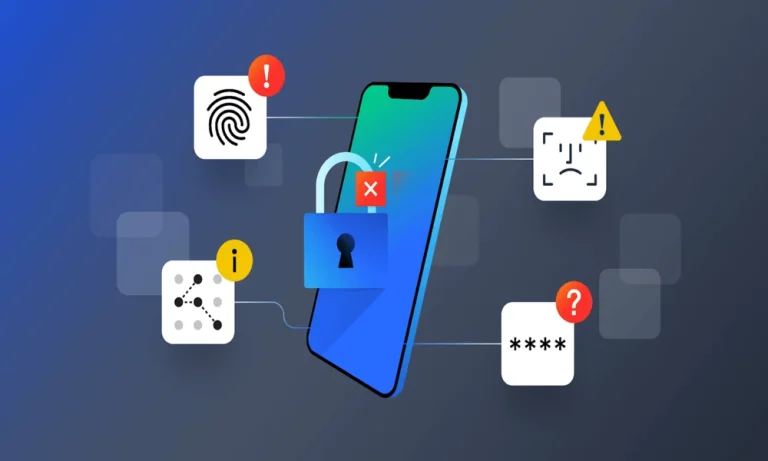
Secure authentication has become an increasingly important part of modern application development. As more services manage personal information, account access, transactions, and other sensitive activities, developers need authentication systems that provide security while maintaining a convenient user experience. The right approach can depend on the type of application, its audience, expected growth, and the level of flexibility required during development.
When evaluating available options, an auth0 otp alternative can be considered alongside other authentication approaches based on implementation requirements, supported features, and expected usage. Comparing different solutions allows development teams to understand how authentication tools may fit into their existing infrastructure and whether they can support future changes without adding unnecessary complexity.
The Growing Importance of Secure Authentication
Authentication is often one of the first interactions between an application and its users. A reliable process helps confirm that users are accessing the correct accounts while reducing the risk of unauthorized access. At the same time, security requirements should be balanced with usability. If authentication involves too many unnecessary steps, users may experience frustration or abandon the process entirely.
Modern applications must also consider changing user expectations. Many users now expect quick and convenient access across multiple devices. This has encouraged the adoption of authentication methods that can provide strong account protection without relying entirely on traditional passwords.
Limitations That Can Affect Development and Scaling
Some authentication services may create limitations as applications grow. A system that is suitable for an early-stage project may become more difficult to manage when user numbers increase or when additional authentication methods are needed. Development teams may also encounter challenges involving configuration complexity, customization options, geographic requirements, or changes in operational costs.
Scaling can introduce additional considerations related to performance and reliability. Authentication systems need to continue functioning efficiently as the number of requests grows. If implementation or management becomes unnecessarily complicated, developers may need to spend additional time maintaining authentication processes instead of focusing on other areas of application development.
Comparing Flexibility, Pricing, and Integration Requirements
Flexibility is an important factor when comparing modern authentication solutions. Different applications may require different combinations of login methods, account recovery processes, and verification options. A system that supports multiple approaches can give developers more control over how authentication is designed for their users.
Pricing should also be reviewed in relation to actual usage. Authentication activity can vary depending on the number of users and the frequency of verification requests. Understanding how costs may change as an application expands can help development teams make more practical decisions.
Integration requirements are equally important. APIs, documentation, supported programming environments, and implementation complexity can influence how quickly a solution can be introduced into an existing application.
Evaluating OTP and Passwordless Authentication Options
One-time passwords and passwordless authentication methods offer alternatives to conventional password-based access. OTP systems can be used to verify users through temporary codes, while passwordless options may use email links or other methods that reduce dependence on remembering passwords.
When evaluating these options, developers can consider security requirements, delivery methods, reliability, and the overall user experience. It is also useful to determine whether users will have access to the necessary communication channels and whether the selected method is appropriate for different devices and locations.
Building an Authentication Setup Around Actual Usage Needs
An effective authentication setup should be based on how an application is actually used rather than relying on a single approach for every situation. Developers can review the number of expected users, login frequency, security requirements, and preferred authentication methods before selecting a solution.
Testing integration processes and examining available configuration options can help determine whether an authentication system fits the technical environment. Future growth should also be considered, particularly if the application may introduce additional features, expand into new regions, or support a larger user base.
A practical approach to authentication can combine security, usability, flexibility, and manageable implementation requirements according to the specific needs of the application.