
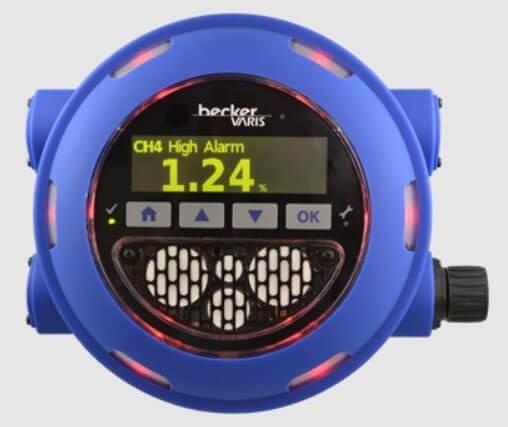
In underground and surface mining operations, safety is never optional—it is a daily responsibility. One of the most critical tools protecting miners today is modern Gas Detectors. These systems do far more than monitor air quality; they provide early warnings that can mean the difference between a routine shift and a life-threatening emergency.
Mining environments are constantly changing. Methane, carbon monoxide, hydrogen sulfide, and oxygen-deficient atmospheres can develop quickly due to equipment operation, blasting, or ventilation issues. Older detection systems often struggle to keep pace with these risks. That is why many mining companies are choosing to upgrade their gas detection technology—to ensure faster alerts, higher accuracy, and greater reliability underground.
Modern Gas Detectors offer real-time monitoring, improved sensor sensitivity, and automated alerts that notify crews before conditions become dangerous. These systems help supervisors make informed decisions, reduce evacuation delays, and prevent incidents before they escalate. For miners, this means greater confidence that the air they are breathing is continuously monitored and protected.
At Becker Wholesale Mine Supply, safety is more than a product offering—it is a commitment to the people working in some of the most demanding conditions in the world. By supplying advanced gas detection systems designed specifically for mining applications, Becker helps operations stay compliant with safety regulations while prioritizing worker well-being.
Upgrading Gas Detectors is not just about meeting standards; it is about protecting lives, reducing downtime, and fostering a culture of safety. As mining technology evolves, so should the systems that safeguard the workforce. Investing in modern gas detection is an investment in people—and that is a decision that saves lives every day.
This post was written by Justin Tidd, Director at Becker Mining Communications! For over 15 years, Becker Communications has been the industry’s leader in increasingly more sophisticated electrical mining communication systems. As they expanded into surface mining, railroads, and tunneling they added wireless communication systems, handheld radios, tagging, and tracking systems, as well as gas monitoring.
