Author

Francisco Neubauer

Browsing

Miami, known for its vibrant culture and beautiful beaches, offers many options for those looking to achieve their fitness goals. One effective and enjoyable way to pursue weight loss in this dynamic city is through group fitness classes. These classes not only provide structured workouts but also offer a supportive community that can significantly boost your motivation and results. Here are several compelling reasons why group fitness classes are ideal for weight loss in Miami:

Motivation and Accountability: One of the biggest challenges in achieving weight loss goals is staying motivated and consistent. Group fitness classes in Miami provide a built-in support system where you’ll find encouragement from instructors and peers alike. Knowing that others are expecting you to show up can greatly enhance accountability, helping you stay committed to your fitness journey.

Structured and Varied Workouts: Group fitness classes offer structured workout sessions led by experienced instructors who guide you through a variety of exercises. Whether it’s high-intensity interval training (HIIT), dance-based workouts, yoga, or cycling, Miami’s fitness scene caters to diverse preferences. These varied workouts prevent boredom, challenge your body in different ways, and maximize calorie burning, all of which are crucial for effective weight loss.

Social Engagement: Miami’s group fitness classes foster a sense of community and camaraderie among participants. Meeting like-minded individuals who share similar health goals can turn your fitness journey into a social experience. Building connections with others on the same path can make workouts more enjoyable and create lasting friendships outside of the gym.

Professional Guidance: Instructors in Miami’s group fitness classes bring expertise and motivation to each session. They ensure proper form, provide modifications for different fitness levels, and offer valuable fitness advice. Their guidance not only enhances the effectiveness of your workouts but also reduces the risk of injury, ensuring a safe and productive exercise experience.

Increased Intensity and Efficiency: Group settings often push participants to work harder than they might on their own. The collective energy and encouragement can inspire you to push past your limits, leading to greater calorie burn and faster progress towards your weight loss goals. Additionally, structured classes are designed to optimize time spent exercising, making them a highly efficient choice for busy Miami residents.

Fun and Enjoyment: Miami’s group fitness classes are not just about burning calories; they’re also about having fun while doing it. Whether you prefer dancing to Latin beats, sweating it out in a beachfront yoga session, or cycling along the scenic streets, these classes offer an enjoyable way to stay active and motivated.

Joining group fitness classes in Miami isn’t just about losing weight; it’s about embracing a healthier lifestyle surrounded by supportive individuals in a city known for its fitness culture. Whether you’re a local or just visiting, these classes provide the perfect opportunity to experience Miami’s energetic atmosphere while achieving your fitness goals. Ready to start your journey toward a fitter, healthier you? Explore Miami’s diverse array of group fitness classes and discover the transformative benefits they offer for weight loss and overall well-being.

This post was written by a professional at GenTech Marketing. As a leading digital agency in Tampa Bay for over 5 years, GenTech Marketing focuses on delivering results utilizing a method that has been proven to work over multiple industries. Get ahead of your competition and start earning more leads, sales, and revenue by partnering with GenTech Marketing.
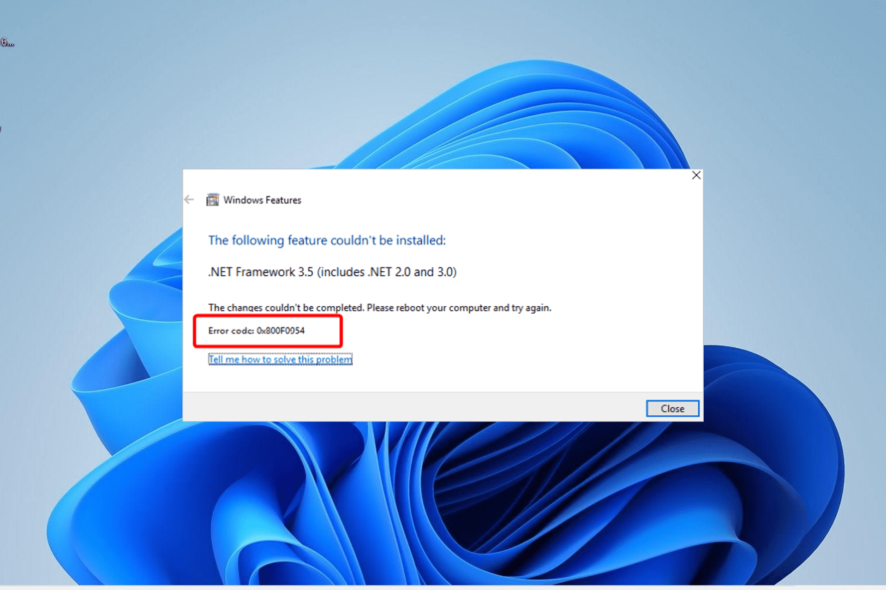
 

As useful and ubiquitous as Windows operating systems are, they aren’t immune to occasional glitches and errors. These issues range from mildly annoying to completely disruptive, preventing you from using your computer effectively. Fortunately, resources are available to help troubleshoot and resolve common Windows problems.

Why do Windows errors occur?

Before diving into the solutions, it’s helpful to understand why Windows errors happen in the first place. Some common causes include:

  • Software conflicts: Conflicts may occur when multiple programs run simultaneously.
  • Driver issues: Incompatible drivers can cause hardware malfunctions.
  • Registry problems: The Windows registry is a database that stores important system settings. If it becomes corrupted, various errors can occur.
  • Malware infections: Viruses and malicious software can damage critical system files.
  • Hardware failures: Physical issues with components like the hard drive, RAM, or CPU can trigger system errors.

While some problems have straightforward fixes, others are more complex and may require expert guidance to resolve.

Built-in Windows tools

When you first encounter an error on your Windows PC, try some built-in diagnostic and repair utilities before seeking outside help. A few key tools to be aware of:

  • Device Manager: This utility lets you manage the installed hardware devices on your system. If a particular component has issues, the Device Manager can help identify the problem.
  • System Restore: Windows automatically creates restore points periodically. If a recent change caused problems, use System Restore to restore the system settings to an earlier state.
  • Windows Update: Microsoft regularly releases updates that include bug fixes and security patches. Making sure your operating system is up-to-date can prevent many common issues from occurring.
  • Startup Repair: If Windows fails to boot properly, the Startup Repair tool can automatically diagnose and fix certain system problems.

While these utilities can be helpful for basic troubleshooting, they may only sometimes provide the answers you need. That’s where third-party resources come in.

Turning to online resources

A wealth of information about Windows errors and solutions is available online. However, only some of it is reliable and trustworthy. When searching for answers, it’s important to stick to reputable sources. Some of the best places to look for Windows troubleshooting help include:

  • Microsoft support website: As the creator of Windows, Microsoft offers extensive documentation and support articles for their operating systems. You can search their knowledge base for information on specific error codes and recommended resolutions.
  • Tech forums: Online communities like Reddit’s r/techsupport and Bleeping Computer are great places to connect with other similar issues experienced users. Just be sure to follow forum guidelines and provide detailed information about your problem to get the most helpful responses.
  • Trusted tech blogs: Many technology websites and blogs, like Windowsfixhub.com, provide in-depth articles and guides on resolving Windows errors. These resources can walk you through troubleshooting steps and practical tips for optimising your system’s performance. Find sites that provide accurate, up-to-date information.

When using online resources, always exercise caution when downloading files or following instructions that involve modifying system settings. If a proposed solution seems suspicious or risky, you should seek a second opinion.

Dealing with Windows errors is an inevitable part of using the operating system. However, knowing where to look for reliable solutions can minimise downtime and keep your computer running smoothly. Start with built-in Windows utilities for basic troubleshooting, then turn to trusted online resources like Microsoft’s support site, tech forums, and informative blogs like WindowsFixHub.com for more advanced issues.

In our modern world, everything is interconnected. This connectivity brings along constant monitoring, especially in terms compliance. In this evolving world, the rules keep changing all the time. Businesses have to make sure they’re in compliance with these rules. It’s like trying to balance on a tightrope while the rules, government regulations, and digital threats keep shifting. Businesses are trying to focus on their main work, but they also have to deal with more and more rules. The primary questions to arise out of the situation are: How do we follow the rules? And, how do we do it well and without wasting time or resources? That’s when businesses need some help. There’s a need for this, and that’s where services that manage rule-following come in. They have the expertise to meet this need.

The world of outsourcing is always changing, always adjusting to new problems and chances. So, what are the main things influencing the world of services that manage rule-following in 2024?

Trend #1: AI and Automation Take the Reins

Tasks that we do again and again, like working with data, making reports on following rules, and looking for risks, are perfect for automation. This is where things like Robotic Process Automation (RPA) and Artificial Intelligence (AI) can help. They’re changing the world of rule-following. These technologies make work processes smoother, reduce mistakes made by people, and free up time for more important tasks.

  • Software for managing rule-following that uses AI can monitor things in real-time and spot anything unusual, catching potential risks before they become a problem.
  • Chatbots are available all the time to help with questions about rule-following and training, which makes things easier for the human teams.
  • Services that automatically check rule-following use data analysis to quickly and efficiently find areas where the rules aren’t being followed.

Trend #2: Data Security Takes Centre Stage

With new rules about data privacy, like the General Data Protection Regulation (GDPR) and the California Consumer Privacy Act (CCPA), keeping data safe is really important. Companies that outsource work need to follow these rules and show that they’re keeping data safe. Here’s what to look for in these companies:

  • They should encrypt data all the time, every day of the year.
  • They should use multi-factor authentication and controls on who can access data to keep it safe.
  • They should regularly check their security and test for weaknesses to find and fix any problems.
  • They should be completely open and clear about how they handle data.

Trend #3: Specialisation is Key

The time when one-size-fits-all rule-following solutions worked is over. As rules get more complicated and specific to different industries, there’s a growing need for services that specialize in rule-following. You should look for companies to outsource to that know a lot about your particular industry. They should offer:

  • Audits and training programs that are specific to your industry.
  • A deep understanding of the rules and standards that apply to your industry.
  • A team of experts who have real experience in your field.

Trend #4: The Rise of the Ecosystem Approach

No one company can do everything when it comes to rule-following. The future is about working together, with different specialized companies joining forces to offer complete solutions. This includes:

  • Working together strategically with companies that provide rule-following services, technology companies, and legal advisors.
  • Platforms that connect different rule-following tools and services smoothly.
  • Working together to manage and reduce risks, using a range of expertise.

Trend #5: Continuous Monitoring and Proactive Management

Following the rules isn’t something you do just once. It’s not something you can do in a day. It’s more like a journey that gets easier with time, practice, and patience. We’re starting to see more ongoing checks and active management of rule-following risks. This includes:

  • Dashboards that show how well you’re following the rules right now.
  • Using predictive analytics to spot possible rule-breaking before it happens.
  • Having plans ready to quickly and effectively deal with any risks that are found.

Trend #6: Embracing the Cloud

Cloud-based software for managing rule-following is getting more popular because it’s user-friendly, can adjust to your needs, and is affordable. Companies that help with rule-following are starting to include these cloud-based options in their services. This lets their clients use rule-following tools and data from anywhere, at any time. It makes it easier to work together remotely and see what’s happening with rule-following processes in real time.

If you stay updated with these trends and choose the right company to help you, following rules can change from being a task to something that gives you an advantage over others. Remember, following rules isn’t just about managing it; it’s about being quick, overcoming difficulties, and having a clear future plan.

Looking Beyond the Trends and Embracing the Human Touch

Even though technology is really important, you still need people who know what they’re doing. The best services for managing rule-following use both AI and automation, and the thinking and guidance of professionals who know their stuff. So, when you’re looking at potential companies to work with, choose those that value both the latest technology and people who are experts.

Services for managing rule-following aren’t just about saving money; they’re a smart investment in your future. By working with the right company, you can confidently handle the always-changing world of rule-following, which lets you use your resources to grow your business.

Choosing the Right Partner

There are a lot of companies out there that can help with rule-following, so picking the right one is really important. Here’s what to look for:

  • A good track record: Pick a company that has a good reputation and lots of experience with the rules that apply to your industry.
  • Specialized knowledge: Look for a company with a team of experts who really know the rules and how to follow them.
  • Use of technology: Find a company that uses AI, RPA, and cloud-based solutions to make rule-following processes smoother and more efficient.
  • Ability to grow and change: Choose a company that can change with your needs and grow with your business.
  • Clear communication: Make sure you can communicate openly and regularly with the company to build trust and a strong working relationship.

MYND Solutions: A Reliable Provider of Compliance Management Outsourcing Services in 2024

MYND Solutions is a well-known company that helps with rule-following. They offer a wide range of services that are designed to handle complicated rules. They’re a good choice for businesses in India that need reliable help with rule-following. They use automation, have a lot of knowledge, and look at the overall situation to help you confidently and efficiently deal with changing rules. They also have good feedback from clients that shows how well they work, how much they know, and how dedicated they are to helping their clients do well.

Conclusion

As the world of rule-following keeps changing, companies that help with rule-following are becoming more and more important. They help businesses handle complicated rules and reduce risks. These companies are using AI, making sure data is secure, using cloud-based tools, and looking at the overall situation. They’re getting ready for a future where following rules isn’t just a task, but something that can give you an advantage over others.

Hardware firewalls can protect networks and devices more effectively and efficiently; thus, it can effectively serve as a broad solution that can help reject cyber threats. Unlike software firewalls downloaded and installed in each computing device, a hardware firewall is a separate hardware that physically separates a network from other networks, such as the internet or separates one sub-network of a larger network from the rest of the sub-networks.

An overview of the various advantages of hardware firewalls

Enhanced security

The benefit of a hardware firewall is security as it assists in the prevention of unauthorized access to a computer. The simplest of these is the hardware firewalls which pass packets at the network level before it becomes apparent to individual nodes in the network. It enables the firewall to filter any possible risks that are of a malicious nature like viruses and other hackers who wish to decode the network with an aim of accessing this network. Security provided by a hardware firewall includes packet filtering, inspection, and deep packet filtering to ensure only specific traffic is allowed in.

Centralized management and control

The advantages of hardware firewalls are wide . They run on a single platform and can assist in controlling security within the network in an easy manner. When comparing the software and hardware firewalls, the latter are significantly better because software firewalls exist on a particular device and their setting can be easily changed whereas in the hardware firewalls the setting of firewalls is much more effective since it only requires having a single device to manage instead of having a firewall installed on each device and having to configure its setting each time.

Improved network performance

Concerning such division, it is rather important to note that compared with software firewalls, hardware firewalls are characterized by much higher levels of available network performance. Most software firewalls are installed directly to the device, for this reason they use CPU and memory of the device along with other firewalls in the network that in effect put a drag on the resources which negatively affects the network. Hardware firewalls are on the other hand fixed devices that are unique for the task of performing these operations for a network security to come through.

Network segmentation and access control

When it comes to configuring hardware firewalls, the issues of forming subnets and selective access can be addressed and within this understanding, connections with large construction are safe. Network segmentation consists of a network splitting it into various sub networks or segments where each of the segments has its security levels. Out of these zones, some may be isolated using the hardware firewalls to help in locking down traffic and to find out which zones are allowed to tackle data from the other.

Closing

The advantages of hardware firewalls put this security technology category at the heart of modern network security approaches. Hardware firewalls may indeed cost a lot of money at first, but in terms of efficiency and the support provided by experts alongside the updates in the future, such units are inexpensive in the long run for companies regardless of their size.