Author

Francisco Neubauer

Browsing

When potential customers need a product, professional service or local provider, many of their journeys begin with a Google search. That is why investing in Google SEO Services can be valuable for Singapore businesses that want to attract people who are already searching for what they offer. Search engine optimisation is not about forcing a website to the top of Google with a shortcut. It is a structured process of improving the website, content, technical foundation and authority so that search engines can better understand the business and users can find useful pages at the right moment.

SEO Geek is a Singapore-based SEO provider offering SEO audits, keyword research and targeting, on-site SEO, technical SEO, content strategy and generation, and backlinking or off-site SEO. Its SME-focused service page also positions SEO as a long-term strategy for improving search visibility, organic traffic and lead generation. Those service areas reflect the broader reality of modern SEO: rankings are usually the result of multiple parts of a website working together rather than one isolated tactic.

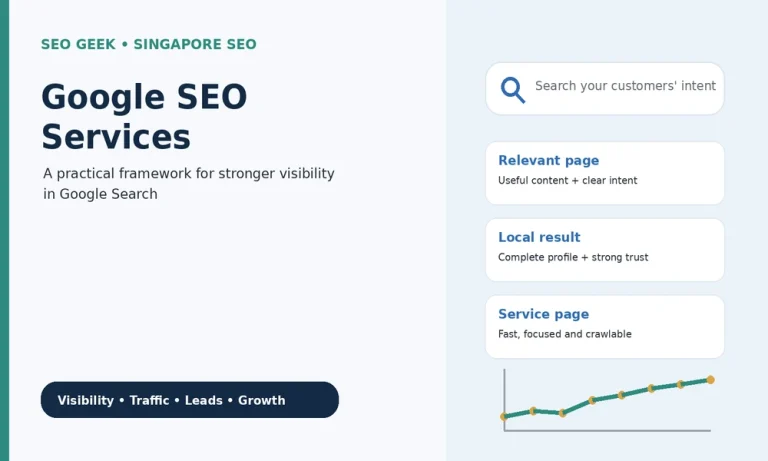
IMAGE 1: 01_google_seo_services_banner_1.png

Google SEO services strategy for Singapore businesses

What Google SEO Services Actually Include

Google’s own SEO Starter Guide describes SEO as helping search engines understand content and helping users discover a site through search. The guide also makes an important point that responsible SEO providers should repeat clearly: there is no secret method that automatically ranks a website first. Search visibility comes from applying sound practices, improving the site and giving Google and users stronger reasons to trust and understand the pages.

A complete Google SEO programme may include:

  • Technical website auditing.
  • Keyword research based on search intent.
  • Page and site architecture planning.
  • On-page optimisation for service and product pages.
  • Content strategy and topic development.
  • Internal linking improvements.
  • Page speed and mobile usability work.
  • Crawlability and indexation checks.
  • Authority building and relevant backlinks.
  • Local SEO for businesses serving specific areas.
  • Performance tracking and ongoing refinement.

SEO Geek’s SEO services for Singapore SMEs cover many of these areas, including website audits, keyword research, on-page optimisation, technical SEO, content, off-page SEO and reporting.

Start With Search Intent, Not Just Keyword Volume

Keyword research is often misunderstood as finding the phrases with the highest monthly search volume. Search volume matters, but intent matters more. A person searching “what is corporate tax” may be researching. Someone searching “corporate tax accountant Singapore” is more likely to be evaluating providers. A successful SEO strategy maps different pages to different stages of that journey.

For service businesses, the goal is usually to identify commercially relevant topics and build pages that genuinely answer the user’s need. That may include core service pages, location pages, comparison pages, FAQs, case studies and educational articles. The keyword should guide the page, but it should not make the page sound unnatural.

Google’s people-first content guidance emphasises creating original, substantial and useful content for an intended audience rather than publishing pages primarily to manipulate rankings. This is particularly relevant in competitive Singapore markets where many businesses target similar keywords. A page that simply repeats a keyword dozens of times offers little reason for a user to stay or trust the company.

Technical SEO Creates the Foundation

Good content cannot perform at its best if search engines struggle to discover or interpret the website. Technical SEO focuses on the underlying structure and performance that support crawling, indexing and user experience.

Important areas can include:

  • Making sure important pages are crawlable and indexable.
  • Using logical, stable URLs.
  • Fixing broken links and redirect problems.
  • Creating useful XML sitemaps.
  • Improving mobile usability.
  • Reducing unnecessary page-load delays.
  • Managing duplicate or near-duplicate pages.
  • Using canonical tags appropriately.
  • Ensuring navigation and internal links are accessible.
  • Checking structured data where it genuinely applies.

Google explains that standard HTML links with an href attribute are the most reliable way to make links crawlable. Its link best-practices documentation also notes that descriptive anchor text helps users and Google understand the destination page. Technical SEO therefore connects directly with content architecture and internal linking rather than existing as a completely separate discipline.

On-Page SEO Helps Google Understand Each Page

On-page SEO focuses on the content and elements of individual pages. A well-optimised page should have a clear purpose and make that purpose obvious without relying on repetitive keyword usage.

Typical on-page work includes:

  • A descriptive page title aligned with the primary topic.
  • A clear H1 heading.
  • Useful H2 and H3 subheadings that organise the content.
  • Natural use of primary and related phrases.
  • Internal links to relevant service or supporting pages.
  • Useful image alt text.
  • Clear calls to action where appropriate.
  • Content that satisfies the searcher’s question or commercial intent.

SEO Geek lists on-site SEO as part of its Singapore SEO services, along with keyword research and content strategy. The value of combining those activities is that the target keyword, page structure and supporting content can be planned together instead of optimising a page after it has already been written without search intent in mind.

Content Strategy Builds Topical Depth

A website with only a homepage and a few short service descriptions may struggle to demonstrate depth in a competitive market. A content strategy expands the site around questions, problems and decisions that matter to potential customers.

For example, a renovation company could have service pages for different renovation categories, location-specific pages where useful, guides to renovation timelines, budgeting articles, comparison content and FAQs. A B2B consultancy might build detailed service pages, industry solutions, process explanations and case-study style content.

The objective is not to create hundreds of thin articles. Google’s people-first guidance specifically encourages substantial, useful content and warns against producing large amounts of search-engine-first content with little original value. A smaller set of strong pages can often be more valuable than a large archive of pages written only to target minor keyword variations.

IMAGE 2: 01_google_seo_services_banner_2.png

Google SEO strategy combining audit content technical SEO and authority

Backlinks and Off-Site SEO Build External Signals

Links from other websites can help search engines discover pages and can contribute to how a site is understood on the web. However, link quality and relevance matter far more than simply collecting the largest possible number of backlinks.

Useful off-site SEO can include digital PR, partnerships, relevant business directories, industry publications, supplier or association links, editorial mentions and other legitimate references to a business. The goal is to build a credible web presence rather than manufacture a large volume of low-value links.

SEO Geek lists backlinking and off-site SEO as part of its service range. Businesses should ask any SEO provider how links are selected, whether the placements are relevant and whether the approach is designed for long-term sustainability rather than short-term ranking manipulation.

Google SEO for Singapore SMEs

Singapore SMEs often compete against larger brands with bigger advertising budgets. Organic search can be valuable because a well-ranked page continues attracting visitors without paying for each click, although SEO still requires investment in strategy, content, technical work and ongoing maintenance.

For SMEs, the most effective approach is usually to prioritise. Instead of trying to rank for every keyword in the market, focus first on the services and locations that are commercially important. Improve the pages most likely to generate enquiries, then expand into supporting topics as the site becomes stronger.

SEO Geek’s SME service positioning includes tailored strategy, transparent reporting and ongoing support. It also states that no ethical SEO company can guarantee first-page rankings. That is a sensible expectation because search results depend on competition, website history, algorithmic systems and many other factors outside an agency’s direct control.

SEO and Google Ads Are Different Tools

Google SEO and Google Ads both appear within search, but they operate differently. Paid ads can generate visibility quickly while budget is active. Organic SEO generally takes longer but aims to build durable pages that can continue attracting traffic through unpaid search results.

Many businesses use both. Paid campaigns can support immediate lead generation while SEO develops, and search-query data from paid advertising can sometimes provide useful insight into how potential customers describe their needs. The correct mix depends on margins, competition, timeline and business goals.

How Long Does Google SEO Take?

There is no universal timeline. Google states in its SEO Starter Guide that changes may take anywhere from hours to several months to be reflected in Search. In practice, the time needed for meaningful commercial impact depends on the website’s current condition, market competition, authority, content depth and the scale of the work being implemented.

A new website in a competitive Singapore market may need significantly more time than an established domain that already has strong content but requires technical improvements. Businesses should be cautious when a provider promises a fixed ranking by a fixed date without first understanding the site and competition.

Measure More Than Rankings

Keyword rankings are useful, but they are not the final business outcome. SEO reporting should also look at:

  • Organic search traffic.
  • Visibility for priority keyword groups.
  • Leads, calls, bookings or enquiries from organic search.
  • Conversions on important landing pages.
  • Pages gaining or losing search traffic.
  • Technical issues affecting indexation or experience.
  • Backlink and authority development.
  • Local search performance where relevant.

A ranking increase that produces no qualified traffic has limited business value. The strongest SEO programmes connect search performance to commercial goals.

What to Ask a Google SEO Services Provider

  1. How will you audit our current website?
  2. How do you select priority keywords?
  3. Will you map keywords to specific pages and search intent?
  4. What technical issues will you review?
  5. How will content be planned and improved?
  6. What type of backlinks or off-site work will you perform?
  7. How often will results be reported?
  8. Which metrics will be tied to leads or business outcomes?
  9. How will the strategy change if some pages do not improve?
  10. What access or resources will you need from our team?

Why SEO Geek Is Relevant for Singapore Businesses

SEO Geek positions itself as a Singapore SEO agency helping businesses improve visibility, organic traffic and online performance. Its current services include audits, keyword research, on-site SEO, technical SEO, content strategy, backlinking, consultancy, web development and reputation management. The company also offers SEO consultancy in Singapore for businesses that want guidance for an in-house team rather than complete outsourced execution.

That flexibility can matter because not every company needs the same delivery model. Some businesses want a provider to handle the full campaign, while others already have writers, developers or marketers and need expert review, prioritisation and technical direction.

Final Thoughts

Google SEO services work best when they are treated as an ongoing business-growth programme rather than a one-time keyword exercise. Strong performance depends on helpful content, technically accessible pages, sensible site architecture, relevant authority signals and consistent measurement.

For Singapore SMEs and growing businesses, SEO Geek offers an integrated service covering the major parts of that process. Companies considering SEO can review the firm’s Singapore SME SEO services and discuss which combination of audit, content, technical work and off-site strategy best fits their website and commercial goals.


The remote-controlled mower market has expanded enough that the choice between models is no longer straightforward. Entry-level options sit alongside professional-grade machines at prices that vary by several hundred percent, and the specifications that matter most are not always the ones that get the most attention in product descriptions. Understanding what actually affects the real-world performance of an RC mower helps you make a decision you will not regret after the first few sessions.

This guide covers the specifications that matter, the features that are genuinely useful versus those that sound impressive but rarely make a practical difference, and the questions worth asking before committing to a purchase. Whether you are looking at your first RC mower or upgrading from a model that has not quite met your expectations, the principles here apply across the category.

Drive System and Traction

The drive system is the most important technical specification for an RC mower, and it is the one most commonly underweighted by first-time buyers who focus on cutting width or battery capacity instead. A mower with a weak or poorly designed drive system will struggle with any meaningful slope, lose traction in damp conditions, and require more operator input to maintain a straight line than a well-engineered alternative.

Four-wheel drive systems provide the best all-terrain capability. Two-wheel drive rear models work adequately on flat terrain but show their limitations quickly on slopes above a few degrees. For gardens with significant gradient variation, four-wheel drive is worth the premium. For genuinely flat terrain, two-wheel drive is often adequate and may offer a cost advantage worth taking.

Cutting Deck and Width

A wider cutting deck reduces the number of passes needed to cover a given area – which sounds straightforwardly good but comes with tradeoffs. Wider decks are heavier, which affects maneuverability on slopes and around obstacles. They are harder to fit through narrow gaps. And they require more motor power to drive effectively, which affects battery consumption and runtime.

For most residential lawns, a cutting width in the 16 to 22 inch range represents a practical balance. Larger properties benefit from wider decks, but the width should be matched to the actual terrain and the obstacles you regularly navigate. A remote control lawn mower that cannot get through your garden gate is solving the wrong problem.

Control Range and Signal

The published control range of an RC mower is the maximum distance under ideal conditions – open terrain with no interference. Real-world range in a garden with walls, fences, trees, and other signal-absorbing obstacles will be shorter. For most residential applications, a range of 100 to 150 metres in real conditions is more than adequate. For larger properties, verify that the control system maintains reliable connection at the distances you actually need.

Signal quality and response lag matter more than raw range. A mower that responds instantly and precisely at 50 metres is more useful than one that reaches 200 metres but has noticeable input lag. Input lag affects precision in tight manoeuvres and makes navigating around obstacles more frustrating.

Maintenance Requirements

Like any mowing equipment, an RC lawn mower requires regular maintenance to stay in good working order. Blade condition affects cut quality and motor load. Battery care affects longevity. Drive system components need periodic inspection. Before purchasing, check the availability of replacement parts and the accessibility of the components that need regular attention. A mower that is difficult to service independently and has expensive or hard-to-source parts creates ongoing costs that the purchase price does not reflect.

Secure authentication has become an increasingly important part of modern application development. As more services manage personal information, account access, transactions, and other sensitive activities, developers need authentication systems that provide security while maintaining a convenient user experience. The right approach can depend on the type of application, its audience, expected growth, and the level of flexibility required during development.

When evaluating available options, an auth0 otp alternative can be considered alongside other authentication approaches based on implementation requirements, supported features, and expected usage. Comparing different solutions allows development teams to understand how authentication tools may fit into their existing infrastructure and whether they can support future changes without adding unnecessary complexity.

The Growing Importance of Secure Authentication

Authentication is often one of the first interactions between an application and its users. A reliable process helps confirm that users are accessing the correct accounts while reducing the risk of unauthorized access. At the same time, security requirements should be balanced with usability. If authentication involves too many unnecessary steps, users may experience frustration or abandon the process entirely.

Modern applications must also consider changing user expectations. Many users now expect quick and convenient access across multiple devices. This has encouraged the adoption of authentication methods that can provide strong account protection without relying entirely on traditional passwords.

Limitations That Can Affect Development and Scaling

Some authentication services may create limitations as applications grow. A system that is suitable for an early-stage project may become more difficult to manage when user numbers increase or when additional authentication methods are needed. Development teams may also encounter challenges involving configuration complexity, customization options, geographic requirements, or changes in operational costs.

Scaling can introduce additional considerations related to performance and reliability. Authentication systems need to continue functioning efficiently as the number of requests grows. If implementation or management becomes unnecessarily complicated, developers may need to spend additional time maintaining authentication processes instead of focusing on other areas of application development.

Comparing Flexibility, Pricing, and Integration Requirements

Flexibility is an important factor when comparing modern authentication solutions. Different applications may require different combinations of login methods, account recovery processes, and verification options. A system that supports multiple approaches can give developers more control over how authentication is designed for their users.

Pricing should also be reviewed in relation to actual usage. Authentication activity can vary depending on the number of users and the frequency of verification requests. Understanding how costs may change as an application expands can help development teams make more practical decisions.

Integration requirements are equally important. APIs, documentation, supported programming environments, and implementation complexity can influence how quickly a solution can be introduced into an existing application.

Evaluating OTP and Passwordless Authentication Options

One-time passwords and passwordless authentication methods offer alternatives to conventional password-based access. OTP systems can be used to verify users through temporary codes, while passwordless options may use email links or other methods that reduce dependence on remembering passwords.

When evaluating these options, developers can consider security requirements, delivery methods, reliability, and the overall user experience. It is also useful to determine whether users will have access to the necessary communication channels and whether the selected method is appropriate for different devices and locations.

Building an Authentication Setup Around Actual Usage Needs

An effective authentication setup should be based on how an application is actually used rather than relying on a single approach for every situation. Developers can review the number of expected users, login frequency, security requirements, and preferred authentication methods before selecting a solution.

Testing integration processes and examining available configuration options can help determine whether an authentication system fits the technical environment. Future growth should also be considered, particularly if the application may introduce additional features, expand into new regions, or support a larger user base.

A practical approach to authentication can combine security, usability, flexibility, and manageable implementation requirements according to the specific needs of the application.

Product design at a startup carries responsibilities well beyond how a screen looks at any given stage. A startup product design agency operates across research, strategy, and cross-functional coordination in addition to the visual work most founders associate with the discipline. Growth teams and product managers who understand the full scope of what an agency contributes make better use of the partnership from the first week of engagement. Three areas of contribution sit consistently outside the visual layer yet shape the product as directly as any design decision made on screen.

User research ownership

  • Research planning

Startup product design agencies take full ownership of the research process from writing discussion guides through to recruiting participants and synthesising findings into actionable insights. Research at this level is a structured discipline with its own methods and quality standards that differ significantly from informal user conversations. Agencies bring trained researchers rather than treating user conversations as a supplementary activity alongside the visual design work.

  • Insight translation

Raw research output means little until it connects directly to product decisions the team must make. Agencies carry the responsibility of making that translation explicit and traceable for every stakeholder who will act on the findings. Findings get mapped to specific product problems, ranked by impact, and presented in a format the whole team can act on rather than a document filed after the first review.

Product strategy input

  • Agencies contribute to product roadmap decisions by bringing user evidence into prioritisation conversations that the product team holds each planning cycle. When a team debates which feature to build next, an agency with active research access shows which unmet user need carries the most weight at this stage. This contribution grounds the roadmap decision in evidence rather than internal opinion or competitive assumption.
  • Strong agencies reframe product problems before design work begins, ensuring the team solves the right challenge rather than the most visible one on the surface. This contribution happens in workshops, brief reviews, and planning sessions rather than on a design canvas. Every reframing session saves the product team from building a solution to a problem users do not actually have.

Cross-team design facilitation

Startup product design agencies run working sessions that bring engineering, product, and marketing into the design process at the moment each function adds the most value. Designers facilitate these sessions rather than simply attending them, structuring conversation so the team reaches decisions rather than generating more open questions that delay progress. This facilitation work reduces handoff friction significantly, since engineers who participated in design decisions build with a better understanding of the intent behind each choice.

Product managers gain the most from this contribution because it removes the translation burden that normally sits between design and development at every handoff point. When an agency runs facilitation well, decisions made in a design session arrive in a sprint without losing meaning across the gap between the two teams.

A startup product design agency shapes the product through research, strategy, and facilitation as much as through the screens it produces each week. Founders who engage the full scope of this contribution build products that reflect real user needs at every stage of development.