Rainfall might seem simple just water falling from the sky. But in reality, every drop carries valuable data. From helping farmers grow better crops to protecting cities from floods, rainfall measurement plays a critical role in how we understand and respond to weather.
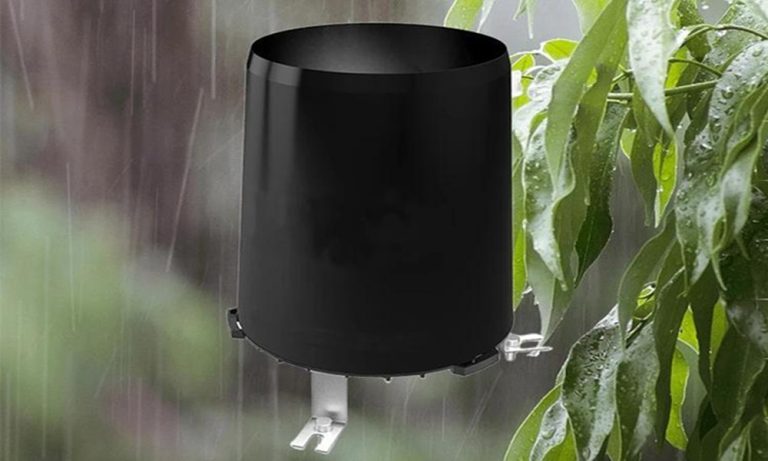
At the heart of this process is the rain gauge sensor, a device that transforms rainfall into precise, actionable information. As technology evolves, these sensors are becoming smarter, faster, and more essential than ever before.
What Does Rainfall Measurement Really Mean?
Rainfall measurement is the science of recording how much precipitation falls in a specific location over time. While it’s commonly expressed in millimeters, the deeper value lies in the insights it provides.
It helps answer important questions like:
- How intense is the rainfall?
- How long did it last?
- Is the pattern normal or unusual?
This information is critical for industries that depend on weather conditions, making rainfall measurement a key part of environmental intelligence.
Rain Gauge Sensor: The Core of Rain Data Collection
A rain gauge sensor is designed to detect, measure, and record rainfall automatically. Unlike traditional manual gauges, modern sensors are built for real-time monitoring and seamless data transmission.
These devices are engineered to:
- Capture rainfall accurately
- Operate continuously in outdoor conditions
- Send data to digital platforms
- Support automation in weather-based systems
In simple terms, a rain gauge sensor turns rainfall into data you can use instantly.
The Growing Importance of Rainfall Measurement
With changing climate patterns and increasing environmental challenges, rainfall measurement is no longer optional-it’s essential.
Agriculture Optimization
Farmers depend on rainfall data to manage irrigation. Accurate measurement prevents overwatering and ensures crops receive the right amount of moisture.
Disaster Preparedness
Heavy rainfall can trigger floods and landslides. Real-time data from rain gauge sensors allows early warnings and faster response.
Urban Water Management
Cities use rainfall insights to improve drainage systems and reduce waterlogging during storms.
Climate Research
Long-term rainfall data helps scientists track climate change and predict future weather behavior.
Types of Rain Gauge Sensors in Modern Use Different technologies are used depending on the level of accuracy and application. Here’s a closer look:
Tipping Bucket Sensor
One of the most widely used designs.
Working principle:
Rainwater fills a small bucket that tips once it reaches a certain level. Each tip represents a fixed amount of rainfall.
Why it stands out:
- Simple and efficient
- Cost-effective
- Ideal for general weather monitoring
Weighing Rain Gauge
This type measures rainfall by weight instead of volume.
Best suited for:
- Scientific studies
- High-precision environments
It offers excellent accuracy, especially for light or continuous rainfall.
Optical Rain Sensor
This sensor uses light beams to detect raindrops.
Key advantages:
- No moving components
- Minimal wear and tear
- High reliability
It’s commonly used in advanced automated systems.
Impact-Based (Piezoelectric) Sensor
This technology measures rainfall through the impact of raindrops.
How it works:
Each drop hitting the sensor creates a small electrical signal. The system analyzes these signals to calculate rainfall intensity.
Ideal for:
- Smart monitoring systems
- Real-time analytics
Ultrasonic Rain Gauge
A modern, contactless solution.
Why it’s advanced:
- No water collection required
- Resistant to clogging
- Long lifespan
Perfect for harsh environments and remote installations.
How Rain Gauge Sensors Deliver Real-Time Data
The process behind rainfall measurement is surprisingly efficient:
- Rainfall interacts with the sensor
- The sensor detects or collects the water
- Data is converted into digital signals
- Information is transmitted to a monitoring system
- Insights are generated instantly
With IoT integration, users can access rainfall data from anywhere, making monitoring more flexible and efficient.
Key Features That Define Modern Rain Gauge Sensors
Today’s sensors are built with advanced capabilities to meet growing demands.
Precision Measurement
Accurately captures even minor rainfall changes.
Real-Time Monitoring
Provides instant updates for faster decision-making.
Wireless Connectivity
Supports remote data access via cloud systems.
Energy Efficiency
Designed for low power consumption, ideal for remote areas.
Weather Resistance
Built to perform in extreme conditions like heavy rain, heat, and humidity.
Challenges in Accurate Rainfall Measurement
Even with advanced technology, certain factors can affect accuracy:
Environmental Interference
Wind can alter rainfall direction, impacting readings.
Improper Placement
Sensors installed near obstacles may not collect accurate data.
Lack of Maintenance
Dust, debris, or blockages can reduce performance.
Calibration Issues
Without regular calibration, data accuracy may decline over time.
Understanding these challenges helps ensure reliable rainfall measurement.
Real-World Applications of Rain Gauge Sensors
Rainfall measurement is used in a wide range of industries:
Agriculture
- Precision irrigation
- Crop health monitoring
Smart Cities
- Flood alert systems
- Stormwater management
Environmental Science
- Climate tracking
- Ecosystem monitoring
Construction and Infrastructure
- Project planning
- Risk assessment
Water Resource Management
- Reservoir monitoring
- Hydrological studies
The Future of Rainfall Measurement Technology
The next generation of rainfall measurement is driven by innovation.
With AI and IoT integration:
- Sensors will predict rainfall patterns
- Data will be analyzed automatically
- Systems will respond without human intervention
Imagine irrigation systems that activate only when needed or cities that automatically adjust drainage systems during storms this is where rainfall measurement is heading.
Conclusion
Rainfall measurement has evolved from a simple observation method into a powerful data-driven system. With the help of advanced rain gauge sensors, industries can monitor weather conditions with unmatched accuracy and efficiency.
As environmental challenges continue to grow, the importance of reliable rainfall data will only increase. Investing in modern rain gauge technology is not just about measuring rain it’s about making smarter, faster, and more informed decisions for the future.