
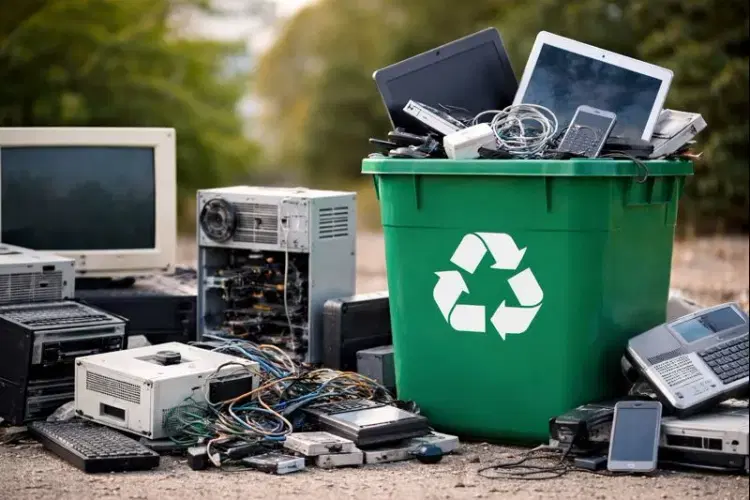
Most people believe they understand how to recycle electronics, yet the evidence suggests otherwise. In Singapore alone, the National Environment Agency estimates that 94% of electronic waste still ends up incinerated or landfilled rather than properly recycled. This striking gap between intention and outcome reveals a landscape riddled with misconceptions, procedural errors, and unintended consequences. The mistakes we make when disposing of our electronic devices are not merely administrative inconveniences. They represent lost resources, environmental contamination, and missed opportunities to build a more sustainable technological future.
Mistake One: Confusing General Recycling with E-Waste Recycling
The most common error occurs before the disposal process even begins. Many Singaporeans place electronic devices in blue recycling bins designated for paper, plastic, and metal. This seemingly logical choice creates significant problems downstream. Electronics contain complex assemblies of materials, many of which require specialised processing. When mobile phones or computer peripherals enter standard recycling streams, they contaminate otherwise recyclable materials and often end up rejected at sorting facilities.
Research conducted by the National Environment Agency found that contamination from improperly sorted waste reduces the efficiency of recycling operations and increases processing costs. Recycle electronics requires dedicated collection systems precisely because these devices contain both valuable and hazardous materials that general recycling facilities cannot handle.
The solution is straightforward: use designated e-waste collection points exclusively. Singapore maintains over 600 such locations across the island, marked specifically for electronic waste. These bins, typically red or clearly labelled, connect to processing facilities equipped to safely extract valuable materials and contain hazardous substances.
Mistake Two: Delaying Disposal Indefinitely
Walk into any Singaporean household and you will likely find a drawer filled with obsolete electronics. Old mobile phones, tangled cables, dead calculators, and broken headphones accumulate because disposal seems complicated or because we imagine we might need them someday. This hoarding instinct, while understandable, exacerbates the e-waste problem.
Delaying disposal means delaying recovery of valuable materials. The circuit board in your forgotten smartphone contains recoverable gold, silver, and copper. Every month these devices sit unused, global demand for newly mined metals increases, driving environmentally destructive mining operations. According to materials science research, one tonne of circuit boards contains more gold than 17 tonnes of gold ore. When we stockpile old electronics at home, we are quite literally sitting on valuable resources the recycling industry could repurpose.
Moreover, older electronics stored improperly can leak battery acid or other corrosive substances, creating household hazards. The batteries in stored devices degrade over time, increasing fire risk.
Mistake Three: Attempting DIY Disassembly
The internet abounds with videos demonstrating how to extract valuable components from electronics. Some individuals, motivated by curiosity or perceived profit, attempt to dismantle devices before recycling. This approach, however well-intentioned, creates multiple problems when you recycle electronic waste.
Electronics contain hazardous materials including lead in solder, mercury in switches and backlights, cadmium in batteries, and brominated flame retardants in plastic casings. Professional recycling facilities employ trained technicians working in controlled environments with proper safety equipment and ventilation systems. Home disassembly exposes individuals to these substances without adequate protection.
Furthermore, partial disassembly reduces the recyclability of devices. Modern electronics integrate materials in ways that require sophisticated separation techniques. When components are removed haphazardly, the remaining materials become harder to process efficiently, and valuable substances may be lost entirely.
Mistake Four: Neglecting Data Security
The intersection of e-waste recycling and data protection reveals another common failing. Many people assume that deleting files or performing factory resets adequately protects their personal information. Digital forensics research demonstrates otherwise. Data recovery specialists can often retrieve information from devices that appear wiped clean.
The consequences extend beyond personal embarrassment. Improperly erased devices containing business information, financial records, or personal photographs create security vulnerabilities. Professional data destruction requires either physical destruction of storage media or multiple-pass overwriting using specialised software.
This mistake is particularly prevalent with office equipment. Printers and photocopiers contain hard drives storing copies of every document processed. Few organisations recognise this vulnerability before disposal.
Mistake Five: Ignoring Battery Protocols
Batteries represent a distinct category within electronic waste, yet many people treat them identically to other components. The National Environment Agency specifically requires separate collection of batteries due to fire risks during transport and processing. Lithium-ion batteries, now ubiquitous in portable electronics, can ignite if punctured or crushed.
Proper battery disposal involves:
- Removing batteries from devices when possible
- Taping battery terminals to prevent short circuits
- Placing batteries in designated battery collection bins separate from electronics
- Never disposing of batteries in general waste or recycling bins
Singapore experienced several collection vehicle fires in recent years attributed to improperly disposed batteries. These incidents highlight the real-world consequences of disposal errors.
Mistake Six: Discarding Repairable or Reusable Electronics
Perhaps the most fundamental mistake involves premature disposal. Singapore’s push for electronic recycling aims to reduce waste, but an even more sustainable approach involves extending device lifespans through repair and reuse.
The repair economy offers alternatives to disposal. Community repair workshops, social enterprises, and independent technicians throughout Singapore provide affordable repair services. Many electronic failures result from simple issues: depleted batteries, loose connections, or software problems easily remedied at minimal cost.
For devices beyond repair but still functional, donation programmes connect working electronics with individuals and organisations unable to afford new equipment. The National Environment Agency reports that extending device lifespans by just one year significantly reduces the environmental impact of electronics consumption.
The Path Forward
Understanding these common mistakes transforms electronic waste management from an abstract environmental concern into a practical set of behaviours. Each avoided error represents materials conserved, hazards contained, and resources redirected toward productive use rather than landfill. The infrastructure for proper disposal exists throughout Singapore. What remains is for residents to navigate that infrastructure correctly, armed with knowledge about what works, what fails, and why the distinction matters when we recycle electronics.
