Category

Tech

Category

On a Tuesday morning that started like any other, Jake Martin—owner of Martin’s Auto & Tire—was under the hood of a Ford with one hand on a wrench and the other on his phone, sorting through bills and customer reminders. For years, Jake had built his business the old-school way: quality work, honest prices, and the hope that word-of-mouth would be enough.

But lately, it wasn’t.

“It felt like I was fixing more problems in the books than under the cars,” Jake said. “We’d fix a transmission and never see that customer again. No follow-ups, no referrals. I just kept thinking—how are we this invisible?”

Jake wasn’t alone. Like many small businesses, his shop relied on regulars and referrals to keep the bays full. But with more competition and fewer return visits, even loyal customers couldn’t carry the weight. He needed a way to stay visible—especially to people who needed him the most: drivers on the road.

That’s when he tried something different.

Jake found BillboardMax.com —an online platform that let him place a digital ad on a billboard just five miles from his shop, right along the I-95 exit ramp where cars backed up daily.

“No accounts, no fancy software. I just put in my ZIP code and saw what was available right on the map. The price was up front—less than what I used to spend on flyers nobody read.”

He uploaded a simple design: his logo, phone number, and a bold line—“Check Engine Light? We’re 2 Minutes Away.”

The billboard went live in under 48 hours.

“The phone rang that same day,” Jake said. “A woman pulled over with a flashing oil light and said, ‘Saw your sign. You’re close, right?’ She came straight in.”

That one call turned into three, then eight, then a steady stream of new drivers each week. Some were local. Others were just passing through. But the visibility worked.

Jake didn’t need a national campaign or a huge marketing budget. He needed to be seen—right place, right time.

“It was the best $99 a day I’ve spent. For once, advertising felt like it was made for someone like me.”


The Takeaway

If you’re a small business struggling to stay top-of-mind, especially with people right in your area, visibility matters. And not the kind that takes six months to maybe pay off. The kind that works while your doors are open—right now.

Whether you run a repair shop, clinic, restaurant, or retail store, your next customer could be on the road right now. All they need is a reason—and a sign.

Want to see what’s available near you?

👉 Enter your ZIP code and check your price today.
No sign-up. No hassle. Just the visibility your business deserves.

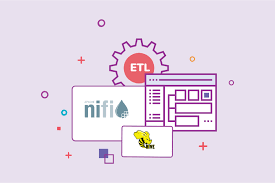
In Thane’s rapidly expanding business and tech landscape, data has emerged as a vital fuel for strategic decision-making. As local organisations—ranging from retail chains to manufacturing units—look to unlock insights from their data, the implementation of ETL (Extract, Transform, Load) pipelines becomes critical. One of the most popular tools to build robust and scalable ETL workflows is Apache NiFi. Designed for automation, scalability, and ease of use, Apache NiFi is transforming the way Thane-based analysts, engineers, and businesses handle large-scale data ingestion and transformation processes. Whether you’re a startup owner, an IT professional, or a student enrolled in a Data Analytics Course, understanding how Apache NiFi simplifies ETL workflows can offer immense value.

Understanding the ETL Process in Data Analytics

Before diving into Apache NiFi, it’s essential to grasp the role ETL plays in the data analytics lifecycle. ETL pipelines are responsible for:

  1. Extracting data from various sources—databases, APIs, flat files, IoT devices.
  2. Transforming it by cleansing, aggregating, or applying business logic.
  3. Loading it into target systems such as data warehouses or analytics platforms.

For businesses in Thane, this process ensures data readiness for dashboards, machine learning models, and executive reporting. Without streamlined ETL pipelines, analytics initiatives become inconsistent and unreliable.

Why Apache NiFi?

Apache NiFi is a robust, open-source data integration tool designed for data flow automation. It offers a graphical interface to design complex ETL pipelines with minimal coding. NiFi stands out for its ability to handle data flow between systems in real-time, offering features like:

  • Drag-and-drop flow design
  • Visual monitoring of data flow
  • Data provenance tracking
  • Built-in processors for data ingestion, transformation, and routing
  • Security and access control

For the Thane data ecosystem, especially in sectors like logistics, fintech, real estate, and healthcare, the tool’s real-time processing capabilities are a major advantage.

Key Features That Make Apache NiFi Ideal for ETL

  1. Ease of Use: NiFi’s intuitive user interface allows data engineers in Thane to prototype and deploy pipelines faster, even without extensive coding expertise.
  2. Scalability: Whether you’re handling thousands of records or terabytes of real-time streaming data, NiFi can scale horizontally across nodes.
  3. Data Provenance: Complete transparency into data movement is vital for compliance. NiFi logs every transaction for auditing purposes.
  4. Flexible Integration: Apache NiFi supports numerous data formats and systems—SQL/NoSQL databases, cloud storage, HTTP/S endpoints, Kafka, Hadoop, and more.
  5. Scheduling and Event-Based Triggers: Users can schedule jobs at regular intervals or set event-based triggers, depending on business needs.

Real-World Use Cases for Thane-Based Industries

  1. Retail & E-Commerce: NiFi can extract sales data from point-of-sale systems, transform it to reflect regional performance (like Thane’s store branches), and load it into dashboards for real-time decision-making.
  2. Healthcare: Patient records from various branches can be sanitised and merged to create unified views, helping clinics in Thane manage treatment histories efficiently.
  3. Logistics: Vehicle GPS and shipment tracking data can be streamed into analytics systems, improving route optimisation for logistics players operating in and around Thane.
  4. Manufacturing: IoT sensor data from machinery can be processed in real time to detect equipment failures and optimise maintenance schedules.

Building a Simple ETL Pipeline in Apache NiFi

Let’s consider an everyday use case relevant to Thane’s businesses—processing customer feedback data.

Step 1: Extract

Use the GetFile or InvokeHTTP processor to retrieve data from customer service platforms or file systems.

Step 2: Transform

Apply transformations using UpdateRecord or ExecuteScript to clean misspellings, standardise formats, or tag feedback with sentiment scores.

Step 3: Load

Finally, push the data to a destination like an Elasticsearch index or an AWS S3 bucket using PutElasticsearchHttp or PutS3Object.

This entire workflow can be managed visually in NiFi with simple drag-and-drop configuration and processor settings—no need for writing custom code or managing complex cron jobs.

Midway through your learning journey in a Data Analytics Course, this practical exposure to NiFi could be the bridge between theoretical knowledge and real-world implementation.

Integrating NiFi with Other Data Tools

NiFi integrates well with Apache Kafka, Hadoop, Hive, and cloud services like AWS, Azure, and Google Cloud. For instance:

  • Kafka + NiFi: Use NiFi to consume real-time events from Kafka topics, transform them, and store them in a warehouse.
  • NiFi + Hadoop: Stream raw data into HDFS where analytics tools like Hive or Spark can analyse it.
  • NiFi + BI Tools: Directly process datasets to databases that feed business intelligence dashboards such as Power BI or Tableau.

This makes it suitable for a comprehensive end-to-end data analytics infrastructure in businesses across Thane, from traditional enterprises to cloud-native startups.

Challenges and Best Practices

Though Apache NiFi offers powerful capabilities, it’s important to follow best practices:

  • Flow Design: Avoid overly complex flows in a single canvas. Break workflows into modular templates.
  • Data Volume Management: Implement back-pressure mechanisms to handle a surge in incoming data.
  • Security: Always secure endpoints and use role-based access control to protect sensitive information.
  • Monitoring: Use built-in NiFi monitoring or integrate with Prometheus/Grafana for observability.

These strategies are especially relevant for larger operations in Thane, such as retail chains or hospitals dealing with massive data inflows.

Learning Curve and Community Support

Apache NiFi’s documentation is rich and continuously updated. There’s also strong community support via forums, GitHub, and Apache user groups. For learners in Thane, hands-on lab sessions during a Data Analytics Course in Mumbai can help them better understand NiFi’s capabilities than theory alone. Institutes offering such courses often provide sandbox environments, datasets, and guided exercises on building NiFi-based ETL pipelines.

Conclusion: ETL with Apache NiFi – A Smart Choice for Thane’s Data Journey

As Thane’s digital economy matures, the demand for real-time, automated, and scalable data workflows is only set to rise. Apache NiFi empowers data professionals to design and deploy ETL pipelines without writing complex scripts, saving time and reducing operational complexity. Whether you’re transforming IoT sensor data from Thane’s manufacturing plants or integrating real-time feedback from local consumers, NiFi offers unmatched versatility.

For individuals or professionals based in Thane seeking to master ETL workflows, hands-on practice through a Data Analytics Course in Mumbai is a wise investment. As industries become more data-driven, those equipped with practical NiFi skills will lead the charge in enabling smarter, faster analytics.

Business name: ExcelR- Data Science, Data Analytics, Business Analytics Course Training Mumbai

Address: 304, 3rd Floor, Pratibha Building. Three Petrol pump, Lal Bahadur Shastri Rd, opposite Manas Tower, Pakhdi, Thane West, Thane, Maharashtra 400602

Phone: 09108238354

Email: enquiry@excelr.com

3D printing enthusiasts often face challenges when working in humid environments, where moisture can wreak havoc on filament quality. Excess humidity causes filament to absorb water, leading to printing defects like bubbling, stringing, or poor layer adhesion. These issues can ruin prints, waste material, and frustrate hobbyists and professionals alike. Optimizing filament drying techniques is essential for consistent, high-quality prints in humid conditions. This article explores practical, novel, and long-tail strategies to effectively dry 3D printer filament, tailored for environments where moisture is a persistent problem.

Why Humidity Matters in 3D Printing

Moisture absorption is a common issue for hygroscopic filaments like PLA, PETG, TPU, and nylon. When filament absorbs water, it can vaporize during extrusion, creating bubbles or voids in the print. This leads to surface imperfections, weakened structural integrity, and inconsistent extrusion. In humid environments—think coastal regions or rainy seasons—filament can become saturated within hours if not stored properly. While sealed storage is a great preventive measure, drying filament is often necessary to restore its usability. Below, we dive into advanced drying methods that go beyond basic solutions, focusing on practical techniques for hobbyists and small-scale makers.

Assessing Filament Condition

Before drying, it’s crucial to determine if your filament needs it. Signs of moisture include popping or sizzling sounds during printing, stringy or uneven extrusion, or a brittle texture in normally flexible filaments like TPU. A simple test is to bend a small section of filament: if it snaps easily or feels brittle (especially for PLA), moisture is likely the culprit. For a more precise assessment, weigh a spool before and after drying to measure water content loss. A difference of even a few grams can indicate significant moisture absorption.

Advanced Drying Techniques for Humid Environments

1. Dedicated Filament Dryers with Custom Modifications

Filament dryers are purpose-built devices that heat filament spools to remove moisture. However, off-the-shelf models may not suffice in extremely humid environments. To optimize performance, consider modifying a filament dryer with a more powerful heating element or adding a small desiccant chamber inside the unit. Silica gel or molecular sieve desiccants can absorb residual moisture during the drying process, enhancing efficiency. Set the dryer to the filament’s recommended drying temperature (e.g., 45–55°C for PLA, 65–70°C for PETG, 70–80°C for nylon) and extend drying time to 6–12 hours for heavily saturated spools. Monitor the process to avoid overheating, which can degrade filament properties.

2. Oven Drying with Precision Control

A household oven can be an effective drying tool if used carefully. Use a low-temperature convection oven (ideally with a digital thermostat) to maintain precise control. Place the filament spool on a non-conductive tray, such as a ceramic or glass dish, to prevent uneven heating. Set the oven to 5–10°C below the filament’s glass transition temperature (e.g., 40–45°C for PLA, 60–65°C for PETG). To combat humidity, place a small container of activated desiccant inside the oven to absorb moisture as it’s released. Check the filament every 2–3 hours, and rotate the spool for even drying. Avoid using microwave ovens, as they can create hot spots and damage the filament.

3. DIY Dehydrator Conversion

Food dehydrators are a cost-effective alternative to dedicated filament dryers, especially when modified for humid environments. Choose a dehydrator with adjustable temperature settings and good airflow. To optimize for filament drying, add a hygrometer to monitor internal humidity levels and a small fan to improve air circulation. Place the filament spool in a sealed plastic container with perforations to allow airflow while minimizing external humidity infiltration. Add a layer of desiccant at the bottom of the container to capture released moisture. Run the dehydrator at the filament’s recommended drying temperature for 8–12 hours, checking periodically to ensure consistent results.

4. Vacuum Chamber Drying

For advanced users, a vacuum chamber paired with a low-temperature heat source offers superior drying performance. The vacuum reduces the boiling point of water, allowing moisture to evaporate at lower temperatures, which is gentler on filaments. Place the filament spool in a vacuum chamber with a small heating pad set to 40–50°C. Add a desiccant packet to absorb moisture as it’s released. Run the vacuum pump for 4–6 hours, checking the filament’s condition periodically. This method is particularly effective for nylon and other highly hygroscopic materials, as it minimizes thermal stress while thoroughly removing moisture.

5. Hybrid Storage-Drying Systems

For ongoing filament management in humid climates, consider a hybrid storage-drying system. Use an airtight storage container with a built-in heating element or a small filament dryer connected to a vacuum-sealed box. Maintain a low-humidity environment by adding rechargeable desiccant packs or a dehumidifier unit. Some hobbyists integrate a small Peltier-based dehumidifier into their storage setup, which actively removes moisture from the air inside the container. This approach not only dries filament but also prevents reabsorption, making it ideal for long-term storage in tropical or coastal areas.

Post-Drying Best Practices

After drying, immediately store filament in an airtight container with fresh desiccant to prevent reabsorption. Vacuum-sealed bags with silica gel packets are highly effective for long-term storage. When printing, use a filament drybox—a sealed container with a low-humidity environment that feeds filament directly to the printer. In humid environments, avoid leaving filament exposed for more than an hour, as it can quickly reabsorb moisture.

Troubleshooting Common Issues

If prints still show defects after drying, verify the drying temperature and duration. Overheating can cause filament to become brittle, while under-drying may leave residual moisture. Check your printer’s hotend temperature, as high temperatures can exacerbate moisture-related issues. For stubborn cases, test a small section of filament in a controlled, low-humidity environment to isolate whether the filament or the printer setup is the issue.

Conclusion

Optimizing filament drying in humid environments requires a combination of the right tools, techniques, and vigilance. By using modified filament dryers, ovens, dehydrators, vacuum chambers, or hybrid storage systems, you can effectively remove moisture and prevent printing defects. Tailor your approach to the filament type and local humidity levels, and always prioritize proper storage to maintain filament quality. With these advanced strategies, 3D printer enthusiasts can achieve consistent, high-quality results, even in the most challenging humid conditions.


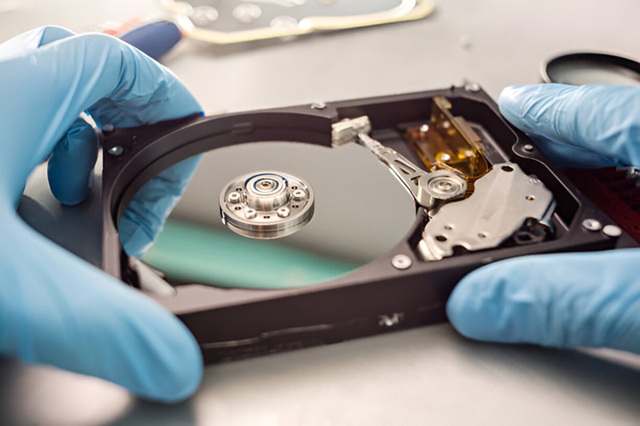
When your computer reaches the end of its useful life, choosing a professional hard drive disposal service becomes far more critical than most people realise. The assumption that deleted files disappear forever represents perhaps the most dangerous misconception in our digital age. Behind the familiar comfort of the desktop recycle bin lies a more complex reality, one that demands serious consideration before that old machine finds its way to a skip or charity shop.

The conventional approach to disposing of computers involves little more than a factory reset and a hope that sensitive information remains buried. This complacency, however, ignores the sophisticated methods available to anyone with modest technical knowledge and the right software. Data recovery specialists routinely resurrect files from drives that users believed had been wiped clean, revealing everything from personal photographs to business correspondence, financial records to private communications.

Understanding the True Nature of Digital Deletion

Modern operating systems create an elaborate illusion when files are deleted. What appears to be erasure is merely the removal of a file’s address in the system’s directory. The actual data remains intact on the storage medium, waiting to be overwritten by new information, a process that may never occur, particularly on drives with ample free space.

Professional HDD disposal services understand this fundamental reality and employ methods designed to address it comprehensively. Unlike the superficial deletion performed by standard software, these secure hard drive disposal services utilise specialised techniques that render data genuinely irretrievable.

The Singapore Standard: A Model Approach

Singapore’s approach to secure data destruction offers valuable insights into best practices. The city-state’s regulations emphasise that “hard disk drives must be physically destroyed or shredded before disposal or reuse” and mandate that “HDD destruction should always be performed by a professional service provider that specialises in secure destruction.”

The framework established by Singapore’s National Environment Agency demonstrates how proper oversight ensures both data security and environmental responsibility. Local providers must obtain proper licensing and follow strict protocols, creating a system where “data or the product has been 100% destroyed” through verified processes.

Methods of Secure Destruction

Professional hard disk disposal services employ several distinct approaches, each designed for specific circumstances:

•       Physical Shredding: Industrial shredders reduce drives to particles small enough to prevent any possibility of data reconstruction

•       Degaussing: Powerful electromagnetic fields disrupt the magnetic data storage, rendering information permanently unreadable

•       Multi-pass Overwriting: Specialised software repeatedly overwrites data using random patterns, ensuring original information cannot be recovered

•       Incineration: Complete thermal destruction of the storage medium, though this method raises environmental concerns

The choice of method depends on the sensitivity of the data, regulatory requirements, and environmental considerations. Singapore’s regulatory framework notes that “certified destruction companies follow industry standards, making sure your data is disposed of safely and properly.”

The Hidden Costs of Inadequate Disposal

The financial implications of improper data disposal extend far beyond the cost of professional services. Data breaches resulting from inadequately destroyed drives can trigger regulatory fines, legal action, and reputational damage that persists for years. The General Data Protection Regulation and similar legislation worldwide impose significant penalties on organisations that fail to protect personal information adequately.

Small businesses often assume they face minimal risk, but this calculation ignores the reality that criminals specifically target organisations with weaker security measures. A single compromised drive containing customer information, employee records, or financial data can trigger obligations that prove far more expensive than preventive measures.

Environmental Responsibility in the Digital Age

Beyond data security concerns lies the equally important question of environmental impact. Electronic waste represents one of the fastest-growing waste streams globally, with hard drives containing valuable materials that can be recovered and reused when properly processed.

Responsible e-waste disposal companies ensure that destroyed drives undergo proper recycling, with “materials recovery and responsible disposal” forming essential components of their secure data destruction services. This approach aligns with Singapore’s SS 587 standard, which provides “guidelines to manage the equipment in environmentally responsible ways when they reach their end-of-life.”

Selecting Appropriate Services

The proliferation of providers claiming to offer secure destruction has created a landscape where credentials matter enormously. Legitimate providers maintain certifications from recognised bodies and provide detailed documentation of their processes. They offer certificates of destruction that specify the methods used and confirm compliance with relevant standards.

Organisations should seek providers that maintain:

•       Current licensing from environmental authorities

•       Compliance with international data destruction standards

•       Insurance coverage for data handling

•       Transparent pricing without hidden fees

•       Detailed reporting of the destruction process

The Verification Process

Professional services distinguish themselves through comprehensive documentation and verification procedures. Reputable providers offer detailed certificates that specify exactly what was destroyed, when, and by which method. Some services include photographic evidence or video documentation of the destruction process, providing additional assurance that sensitive information has been properly handled.

This documentation serves multiple purposes: demonstrating compliance with regulatory requirements, providing evidence for insurance claims if necessary, and offering peace of mind to organisations concerned about their data security obligations.

Moving Beyond Complacency

The digital age has created unprecedented risks that require more sophisticated responses than previous generations faced. The assumption that personal computers contain nothing of value overlooks the reality that modern devices store enormous quantities of information, much of it potentially valuable to criminals or competitors.

Professional destruction services represent not an additional expense, but essential protection against risks that continue growing as our dependence on digital storage increases. The modest cost of proper disposal pales in comparison to the potential consequences of inadequate measures.

The path forward requires abandoning assumptions about digital security that were never accurate and embracing approaches that acknowledge the true persistence of electronic information. In an interconnected world where data breaches make headlines daily, the decision to engage a professional service represents not paranoia but prudence, making a reliable hard drive disposal service an indispensable component of responsible data management.