Category

Tech

Category

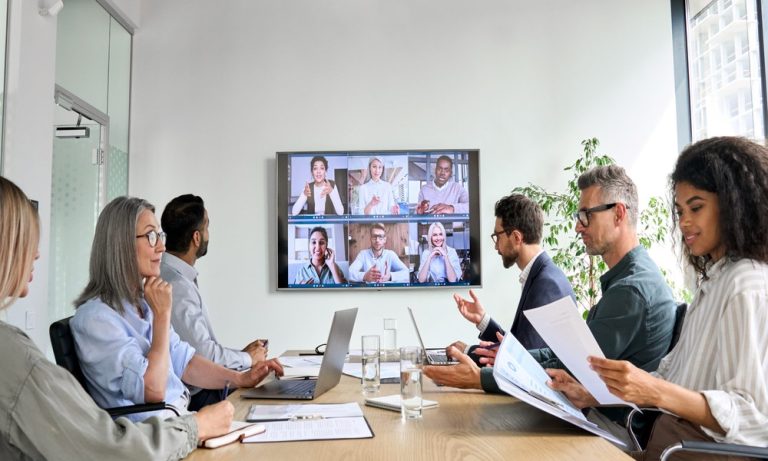
Global teams often rely on shared languages to work together across regions. Clear communication builds trust, reduces confusion, and improves daily tasks. Tools that support translation and clarity help people collaborate faster while respecting cultural differences and intent in messages.Using a best google translate alternative for business improves clarity in shared communication and helps avoid costly misunderstandings during important work exchanges.

Clear Communication Across Teams

Teams using shared languages need simple tools that reduce confusion and support accurate meaning so that ideas are shared clearly across regions without delay or misunderstanding during daily work interactions.

Reducing Misunderstanding In Work

Misunderstanding often slows progress and creates errors so smart tools help teams confirm meaning quickly while ensuring each message keeps its purpose and avoids confusion between people working in different locations.

Faster Collaboration With Smart Tools

Modern tools support quick replies and real time understanding so team members can share updates faster and keep projects moving without waiting for manual translation or repeated clarification in conversations.

Supporting Diverse Team Members Globally

Teams include people from many cultures so tools that simplify language help everyone take part equally while ensuring that communication barriers do not limit contribution or reduce engagement in projects.

Improving Productivity With Accuracy

Accurate communication reduces rework and saves time so teams can focus on results instead of fixing errors caused by unclear language or incorrect interpretation during important discussions.

Consistency In Shared Language Use

Consistent language use helps teams stay aligned so tools that standardize communication ensure that messages remain uniform across departments and prevent confusion in repeated instructions or updates.

Enhancing Customer Interaction Quality

Clear communication improves how teams interact with clients so better tools help deliver accurate responses and build stronger relationships while avoiding mistakes that could affect trust and satisfaction.

Choosing Right Communication Solutions

Picking the right tools improves overall team performance.

  • Focus on accuracy and simple user friendly design
  • Ensure tool supports multiple languages without confusion issues
  • Look for fast response and real time translation features
  • Choose tools that protect data and privacy always
  • Check integration with existing systems for smooth workflow

Using a reliable best google translate alternative for business ensures smooth communication and helps teams stay connected while improving clarity and reducing errors in global collaboration.

Effective communication tools create smoother teamwork by improving understanding and reducing confusion across regions. When teams choose solutions that support clarity and fairness they build stronger connections and achieve better results together with fewer delays and improved cooperation across every task they handle daily.

Rainfall might seem simple just water falling from the sky. But in reality, every drop carries valuable data. From helping farmers grow better crops to protecting cities from floods, rainfall measurement plays a critical role in how we understand and respond to weather.

At the heart of this process is the rain gauge sensor, a device that transforms rainfall into precise, actionable information. As technology evolves, these sensors are becoming smarter, faster, and more essential than ever before.

What Does Rainfall Measurement Really Mean?

Rainfall measurement is the science of recording how much precipitation falls in a specific location over time. While it’s commonly expressed in millimeters, the deeper value lies in the insights it provides.

It helps answer important questions like:

  • How intense is the rainfall?
  • How long did it last?
  • Is the pattern normal or unusual?

This information is critical for industries that depend on weather conditions, making rainfall measurement a key part of environmental intelligence.

Rain Gauge Sensor: The Core of Rain Data Collection

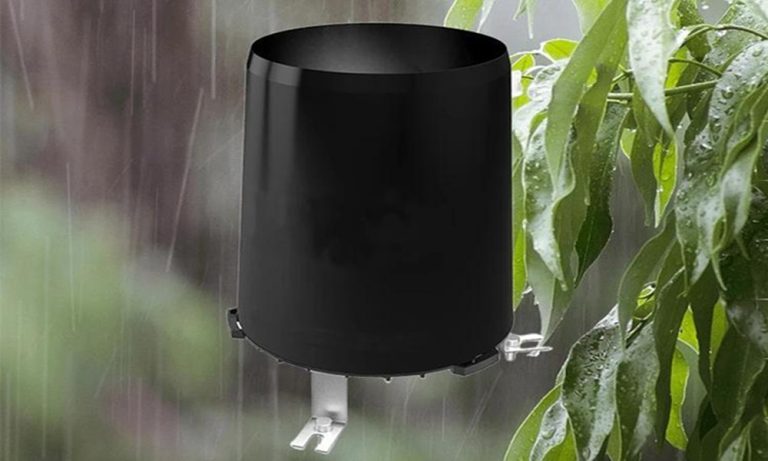
A rain gauge sensor is designed to detect, measure, and record rainfall automatically. Unlike traditional manual gauges, modern sensors are built for real-time monitoring and seamless data transmission.

These devices are engineered to:

  • Capture rainfall accurately
  • Operate continuously in outdoor conditions
  • Send data to digital platforms
  • Support automation in weather-based systems

In simple terms, a rain gauge sensor turns rainfall into data you can use instantly.

The Growing Importance of Rainfall Measurement

With changing climate patterns and increasing environmental challenges, rainfall measurement is no longer optional-it’s essential.

Agriculture Optimization

Farmers depend on rainfall data to manage irrigation. Accurate measurement prevents overwatering and ensures crops receive the right amount of moisture.

Disaster Preparedness

Heavy rainfall can trigger floods and landslides. Real-time data from rain gauge sensors allows early warnings and faster response.

Urban Water Management

Cities use rainfall insights to improve drainage systems and reduce waterlogging during storms.

Climate Research

Long-term rainfall data helps scientists track climate change and predict future weather behavior.

Types of Rain Gauge Sensors in Modern Use Different technologies are used depending on the level of accuracy and application. Here’s a closer look:

Tipping Bucket Sensor

One of the most widely used designs.

Working principle:

Rainwater fills a small bucket that tips once it reaches a certain level. Each tip represents a fixed amount of rainfall.

Why it stands out:

  • Simple and efficient
  • Cost-effective
  • Ideal for general weather monitoring

Weighing Rain Gauge

This type measures rainfall by weight instead of volume.

Best suited for:

  • Scientific studies
  • High-precision environments

It offers excellent accuracy, especially for light or continuous rainfall.

Optical Rain Sensor

This sensor uses light beams to detect raindrops.

Key advantages:

  • No moving components
  • Minimal wear and tear
  • High reliability

It’s commonly used in advanced automated systems.

Impact-Based (Piezoelectric) Sensor

This technology measures rainfall through the impact of raindrops.

How it works:

Each drop hitting the sensor creates a small electrical signal. The system analyzes these signals to calculate rainfall intensity.

Ideal for:

  • Smart monitoring systems
  • Real-time analytics

Ultrasonic Rain Gauge

A modern, contactless solution.

Why it’s advanced:

  • No water collection required
  • Resistant to clogging
  • Long lifespan

Perfect for harsh environments and remote installations.

How Rain Gauge Sensors Deliver Real-Time Data

The process behind rainfall measurement is surprisingly efficient:

  1. Rainfall interacts with the sensor
  2. The sensor detects or collects the water
  3. Data is converted into digital signals
  4. Information is transmitted to a monitoring system
  5. Insights are generated instantly

With IoT integration, users can access rainfall data from anywhere, making monitoring more flexible and efficient.

Key Features That Define Modern Rain Gauge Sensors

Today’s sensors are built with advanced capabilities to meet growing demands.

Precision Measurement

Accurately captures even minor rainfall changes.

Real-Time Monitoring

Provides instant updates for faster decision-making.

Wireless Connectivity

Supports remote data access via cloud systems.

Energy Efficiency

Designed for low power consumption, ideal for remote areas.

Weather Resistance

Built to perform in extreme conditions like heavy rain, heat, and humidity.

Challenges in Accurate Rainfall Measurement

Even with advanced technology, certain factors can affect accuracy:

Environmental Interference

Wind can alter rainfall direction, impacting readings.

Improper Placement

Sensors installed near obstacles may not collect accurate data.

Lack of Maintenance

Dust, debris, or blockages can reduce performance.

Calibration Issues

Without regular calibration, data accuracy may decline over time.

Understanding these challenges helps ensure reliable rainfall measurement.

Real-World Applications of Rain Gauge Sensors

Rainfall measurement is used in a wide range of industries:

Agriculture

  • Precision irrigation
  • Crop health monitoring

Smart Cities

  • Flood alert systems
  • Stormwater management

Environmental Science

  • Climate tracking
  • Ecosystem monitoring

Construction and Infrastructure

  • Project planning
  • Risk assessment

Water Resource Management

  • Reservoir monitoring
  • Hydrological studies

The Future of Rainfall Measurement Technology

The next generation of rainfall measurement is driven by innovation.

With AI and IoT integration:

  • Sensors will predict rainfall patterns
  • Data will be analyzed automatically
  • Systems will respond without human intervention

Imagine irrigation systems that activate only when needed or cities that automatically adjust drainage systems during storms this is where rainfall measurement is heading.

Conclusion

Rainfall measurement has evolved from a simple observation method into a powerful data-driven system. With the help of advanced rain gauge sensors, industries can monitor weather conditions with unmatched accuracy and efficiency.

As environmental challenges continue to grow, the importance of reliable rainfall data will only increase. Investing in modern rain gauge technology is not just about measuring rain it’s about making smarter, faster, and more informed decisions for the future.

Millions of smartphone owners operate under a dangerous misconception: that a device rated IP68 is waterproof. This belief, reinforced by marketing imagery of flagship phones photographed underwater or used in heavy rain, has directly contributed to a significant volume of water damage incidents among owners of devices that were, at one point, certified to resist exactly that kind of exposure. The problem isn’t that manufacturers misrepresent the rating. The problem is that the IP rating system describes a controlled test performed once, on a new device, under conditions that real-world use erodes continuously and invisibly.

Understanding what IP68 actually certifies — and what happens to that protection over time — is essential knowledge for any smartphone owner who expects their device to survive accidental water exposure more than once.

Decoding IP68: The Standard Behind the Label

The IP code (Ingress Protection) is defined by IEC Standard 60529 and rates devices on a two-digit scale. The first digit addresses protection against solid particulates. The second addresses protection against liquids. A rating of 8 — the highest value on the liquid protection scale — specifies that the device can withstand continuous immersion beyond one meter depth, under conditions defined by the manufacturer.

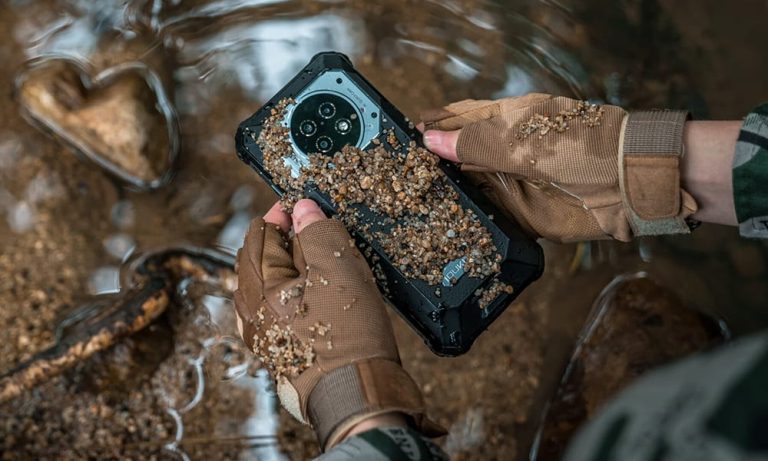
That final clause deserves emphasis: ‘under conditions defined by the manufacturer.’ For most major brands, this means approximately 30 minutes at a depth of 1.5 to 6 meters, in fresh still water, at a controlled temperature, using a factory-new unit. The standard explicitly excludes moving water, chlorinated water, saltwater, and soapy water — all among the most common real-world exposure scenarios. Understanding what to do when your phone falls in water is therefore critical: the IP certification provides no guidance on the correct response once water has already entered the device, and the wrong action in the first 120 seconds can convert a recoverable accident into a permanent hardware loss.

Material Fatigue: How Seals Degrade Over Time

The water resistance of a modern smartphone is maintained by a system of polymer gaskets, pressure-sensitive adhesive strips, and silicone seals placed at every structural joint in the chassis — around the display perimeter, the SIM card tray slot, the charging port cavity, and the lateral button apertures. These materials age under normal use.

Polymer gaskets compress slightly and permanently with each device assembly cycle, including professional repair procedures. Adhesive strips lose elasticity under sustained heat — leaving a phone in a hot vehicle measurably degrades the adhesive layer bonding the display to the chassis frame. Physical impacts that don’t crack the glass can create micro-deformations in the aluminum or stainless steel chassis that interrupt seal continuity at specific points, with no visible external evidence.

The cumulative effect is material fatigue. A flagship device with IP68 certification at the point of sale may retain only 60 to 70 percent of its original sealing integrity after 18 months of normal daily use. That device still carries its IP68 label — the certification is not recalculated or revoked over time — but its actual resistance to water intrusion in a real-world event will be materially below the specification it was originally tested to.

Liquid Contact Indicators: The Silent Witnesses Inside Your Phone

Inside every modern smartphone, at locations near known water entry points, manufacturers install Liquid Contact Indicators (LCIs) — small reactive patches that permanently change color from white to red upon any meaningful contact with liquid or vapor. They serve two distinct purposes.

For manufacturers, LCIs are warranty adjudicators. Any device showing activated (red) LCI patches is excluded from standard warranty coverage under virtually every major brand’s warranty terms — regardless of the device’s original IP certification. For diagnostic technicians, LCI status provides objective evidence of liquid exposure history that the device owner may not disclose.

Even if your IP68 phone survives a water exposure event and continues to function normally in the immediate aftermath, activated LCI sensors signal that water penetrated the chassis to a depth sufficient to reach those locations. Warranty coverage is voided from that point. Moreover, water reaching internal LCI positions has already passed through the speaker assembly, the charging port cavity, and likely the microphone aperture. Silent galvanic corrosion may be underway on components that will not fail visibly until weeks or months later.

The Chemistry of Damage: Why Salt and Chlorine Change Everything

Not all water exposure carries equal damage potential. The destructive capacity of a liquid intruding into electronic hardware is determined largely by its ionic conductivity. Distilled water is a poor electrical conductor. Tap water, with its dissolved mineral load, is moderately conductive. Seawater, with its high sodium chloride concentration, is orders of magnitude more conductive and initiates galvanic corrosion at a dramatically accelerated rate.

When a conductive liquid bridges two electrically charged contact points on a circuit board — even momentarily — it creates an unintended current path that drives an electrochemical oxidation reaction. The gold plating on high-value connector pads provides initial resistance, but once compromised, the underlying copper corrodes rapidly in saline or chlorinated water.

This is why the recommended response to ocean or pool exposure includes rinsing the device’s exterior with low-pressure fresh water before any drying step — to dilute and remove ionic compounds before they concentrate and react. Ionic dilution followed by immediate acoustic ejection represents the best available field response before professional service can be accessed.

The Speaker Grille: First Point of Failure in Every Water Event

Among all external ports on a smartphone chassis, the speaker grille is typically the weakest point of water ingress resistance. Unlike the SIM card tray (sealed with a dedicated rubber gasket) or the USB-C port (with labyrinthine internal geometry that slows water entry), speaker grilles are — by physical necessity — open acoustic channels. No gasket can be placed across a speaker grille without fundamentally degrading its acoustic performance.

Water entering through the speaker grille flows directly through the mesh and into the speaker cavity, where surface tension binds it to the diaphragm. This creates an immediate acoustic problem — muffled, distorted output — and a medium-term electrical risk, because the voice coil operates in close proximity to the conductive water film. Addressing this intrusion before the device powers on and drives current through the speaker circuit is the highest-priority action after any water exposure event. Acoustic tools that generate calibrated sine wave frequencies provide the most effective non-invasive intervention available without professional disassembly.

What Responsible Ownership Looks Like in Practice

Given the reality of IP rating limitations and the progressive degradation of sealing materials over time, responsible smartphone ownership in any water-risk environment involves more than trusting the certification on the box.

First, understand your device’s specific certified parameters — the actual depth, duration, and liquid type, not the headline IP number. Second, avoid exposure types not covered by the standard: chlorinated, saline, and soapy water, regardless of what the rating appears to promise. Third, treat any water exposure — however brief — as a triggering condition for immediate acoustic ejection, even if the device appears fully functional. Corrosion that begins invisibly inside the chassis does not announce itself until the damage is already irreversible.

Finally, consider the SIM card tray gasket as a maintenance item. On devices used heavily in humid or wet environments, inspecting the gasket annually and replacing it when compressed or cracked restores a meaningful fraction of the device’s original sealing integrity at minimal cost.

The Rating Is a Baseline, Not a Promise

IP68 represents a rigorous engineering benchmark — but one measured at a single moment in time, under idealized conditions that diverge from real-world use in critical respects. Material fatigue, environmental exposure, and cumulative physical stress erode that protection continuously in ways that no external label reflects.

The most water-resistant decision a smartphone owner can make isn’t buying a device with a higher IP number. It’s understanding the actual limits of whatever rating their device carries, responding correctly and immediately when those limits are exceeded, and never treating a certification as a substitute for situational awareness around water. Because once the water is inside, the internal clock starts — and it runs faster than most people expect.

Frequently Asked Questions

Does IP68 mean a smartphone is truly waterproof?

No. IP68 certifies resistance to water ingress under specific laboratory conditions — typically fresh still water at a controlled depth and temperature, on a factory-new device. It does not cover saltwater, chlorinated water, soapy water, or moving water such as shower spray. The certification also does not account for the degradation of sealing materials over time with normal use.

How long does IP68 water resistance last with normal use?

Most smartphone seals show meaningful degradation within 12 to 18 months of regular daily use. Heat exposure, minor physical impacts, and repair procedures all compress and degrade the gaskets and adhesive strips that maintain the water seal. A device that passed IP68 testing at the factory may retain only 60–70% of that resistance after 18 months.

What types of water exposure are NOT covered by IP68?

The IEC 60529 standard explicitly excludes moving water (jets, showers), chlorinated water (swimming pools), saltwater (oceans, seas), and water containing detergents or surfactants. All involve either mechanical pressure or chemical compounds that accelerate seal degradation far beyond what the standard’s controlled-immersion test simulates.

What should I do immediately if my IP68 phone gets water in the speaker?

Power off the device immediately without testing whether it works. Use a microfiber cloth to remove external water. Remove the SIM card tray to allow minimal air circulation. Hold the device with the speaker facing downward. Then use an acoustic water ejection tool — a calibrated 145–190 Hz sine wave tone at maximum volume — to mechanically displace the water from the speaker cavity before corrosion can begin.

Does saltwater damage a phone faster than fresh water?

Dramatically faster. Saltwater’s high sodium chloride concentration makes it an excellent electrical conductor, accelerating galvanic corrosion on copper traces, solder joints, and connector pads. Where fresh water damage may take hours to manifest as permanent failure, saltwater can initiate irreversible corrosion within minutes. If your phone is exposed to seawater, rinse the exterior immediately with low-pressure fresh water before any drying step, to dilute and remove the ionic compounds.

Sources & References

The Asset You Did Not Know You Still Had

Device buyback is one of those arrangements that looks, on the surface, like a simple commercial transaction. An organisation retires its ageing laptops, tablets, or smartphones. A third party assesses their residual value, offers a price, and collects them. But that tidy description misses the layers of risk, responsibility, and strategic opportunity that sit beneath every decommissioned device an organisation hands over. A device at the end of its working life is not just hardware. It is data, liability, and environmental consequence compressed into a single piece of equipment.

How Device Buyback Programmes Work

A well-run buyback programme for devices follows a defined process that balances financial recovery with data security and regulatory compliance. The typical stages are as follows:

  • Device assessment and valuation: Devices are evaluated for physical condition, age, specifications, and market demand to determine fair residual value
  • Data sanitisation: Before any device changes hands, all stored data is securely wiped or destroyed using certified methods, ensuring that sensitive organisational and personal information cannot be recovered
  • Grading and sorting: Devices are graded by condition and sorted according to their downstream pathway, whether refurbishment, resale, component harvesting, or responsible recycling
  • Payment and settlement: The agreed value is returned to the organisation, offsetting the cost of hardware refresh cycles
  • Documentation: Certificates of data destruction and asset disposal reports are issued, creating an auditable trail that supports compliance reporting

Each element of this process serves a distinct purpose. None of it is optional for organisations that take their data protection and governance obligations seriously.

The Singapore Regulatory Landscape

Singapore provides a particularly clear regulatory backdrop against which the importance of structured device buyback and disposal becomes apparent. The Personal Data Protection Act (PDPA) places explicit obligations on organisations to protect personal data throughout its entire lifecycle, and that lifecycle does not end when a device is handed to a third party. The Personal Data Protection Commission (PDPC) has stated that “organisations should put in place proper procedures for the disposal and destruction of personal data and the storage media on which the data is stored.”

Environmental obligations reinforce these requirements. Under the Resource Sustainability Act, businesses are required to manage electrical and electronic equipment responsibly. The National Environment Agency (NEA) is direct in its guidance: “Businesses should engage licensed e-waste recyclers to ensure that electrical and electronic equipment is properly collected and treated.”

A structured IT device buyback programme that incorporates certified data destruction and licensed recycling pathways satisfies both sets of obligations in a single, coordinated process. For compliance officers and procurement teams alike, that consolidation has real value.

Valuation: What Determines the Return

The financial return from a buyback programme is not arbitrary. Several factors determine the residual value of decommissioned devices:

  • Age and condition: Newer devices in good physical condition command higher valuations. Cosmetic damage, broken components, or outdated specifications reduce the return
  • Device type: Laptops and smartphones typically retain more residual value than desktop units or specialist peripherals
  • Market demand: Secondary market conditions fluctuate. Devices with strong ongoing demand from refurbishers or resellers attract better pricing
  • Volume: Organisations disposing of large batches of equipment are generally able to negotiate more favourable terms than those handling small, ad hoc collections
  • Data destruction method: Devices that undergo certified erasure rather than physical destruction retain their hardware value, which can meaningfully increase the overall financial return

Understanding these variables allows organisations to time and structure their buyback arrangements more strategically, rather than simply accepting the first offer placed in front of them.

The ESG Dimension

There is a chapter of this story that goes beyond compliance and cost recovery. Environmental, Social and Governance reporting has moved from a peripheral concern to a central expectation for businesses operating in Singapore and across the region. Device buyback programmes contribute meaningfully to all three dimensions of that framework.

On the environmental side, extending the useful life of devices through refurbishment and resale reduces the volume of e-waste entering the waste stream and lowers the demand for new raw material extraction. On the social side, refurbished devices that re-enter the market at lower price points improve access to technology for individuals and organisations that could not afford new equipment. On the governance side, documented, certified disposal processes demonstrate that the organisation is managing its technology lifecycle with rigour and accountability.

For sustainability teams preparing annual ESG disclosures, a structured buyback scheme for devices generates precisely the kind of measurable, documented impact that credible reporting requires.

Managing the Risks

The risks associated with device buyback are real but manageable. The most significant is data security. Any device that leaves an organisation’s possession without certified data destruction represents a potential breach. Secondary risks include chain of custody failures and documentation gaps that leave organisations unable to demonstrate compliant disposal in the event of regulatory inquiry.

Mitigating these risks requires organisations to:

  • Require certified data destruction before or at the point of device collection
  • Insist on full chain of custody documentation from collection to final disposition
  • Retain certificates of data erasure or destruction as part of the organisation’s compliance records
  • Verify that partners hold the necessary licences under Singapore’s e-waste regulatory framework

Conclusion

The decision to retire a batch of devices is rarely treated as a strategic moment. It should be. The financial return, the data security obligation, the environmental responsibility, and the ESG reporting value are all concentrated in that single transaction. Organisations that approach it with structure and rigour recover more, risk less, and demonstrate more to the stakeholders who are watching. That is the full picture of what is made possible by a properly managed device buyback programme.