Author

Clare Louise

Browsing

A strong 4G signal is important for clear calls, quick browsing, smooth video streaming, and reliable mobile communication. However, weak reception can occur in homes, offices, warehouses, and other buildings because of thick walls, metal structures, distance from cell towers, or surrounding obstacles. Improving 4G reception can provide a more stable connection and reduce problems such as dropped calls, slow data, and interrupted communication.

While modern devices rely heavily on steady cellular connectivity, structural barriers like reinforced concrete and low-emissivity glass frequently cause sudden coverage drops indoors. Installing a specialized airtel signal booster helps bridge this gap by taking whatever faint exterior coverage is available and broadcasting it evenly across your indoor space. This simple addition eliminates frustrating dead zones, allowing your smartphone to hold a steady connection for both high-definition voice calls and fast data transfers.

Understanding Weak 4G Reception

The first step toward improving 4G reception is understanding why the signal is weak. Buildings made with concrete, steel, and other dense materials can block or reduce mobile signals. Locations far from cell towers may also receive weaker coverage. Basements, enclosed rooms, and areas surrounded by several walls can experience particularly poor reception.

Check Signal Strength

Before choosing a solution, users should check the existing 4G signal in different parts of the building. Moving near windows or higher areas may reveal where the strongest signal is available. This information can help determine whether the problem is caused by poor indoor coverage or a generally weak outdoor signal. A booster can only improve an available signal, so understanding the starting signal is important.

Use a Suitable 4G Signal Booster

A 4G signal booster can improve reception by capturing an available outdoor signal, strengthening it, and distributing it indoors. A typical system includes an outdoor antenna, an amplifier, and an indoor antenna. When properly installed, the system can help provide stronger coverage in areas where 4G reception is weak.

Improve Call Quality

Weak reception can cause calls to drop, sound unclear, or fail to connect. Improving 4G signal strength can help mobile devices maintain a more stable connection. This is especially useful in workplaces and homes where users depend on mobile calls throughout the day. Better reception can make communication more consistent and reduce interruptions.

Improve Mobile Data Performance

Strong 4G reception can also support better mobile data performance. Weak signals may result in slow downloads, delayed messages, buffering, or interrupted online activities. Improving signal strength can help devices maintain a more reliable data connection. However, actual data speed can also depend on network traffic, tower capacity, and the user’s mobile service.

Consider Antenna Placement

Antenna placement can have a major effect on booster performance. The outdoor antenna should be positioned where it can receive a suitable 4G signal, while the indoor antenna should be placed in the area requiring improved coverage. The distance and positioning between antennas should also be considered to support effective operation.

Conclusion

Boosting 4G network reception can improve both call quality and mobile data reliability in areas affected by weak signals. Checking existing reception, choosing suitable equipment, and positioning antennas correctly can help users achieve better indoor coverage. While a booster cannot create a signal where none exists, it can strengthen an available 4G signal and make everyday mobile communication more dependable.

One of the hardest things for local businesses is getting good leads. Whether you run a store, a professional service, a healthcare office, or a home service business, you need more than just a website to regularly bring in people. Today’s customers look up information about businesses online before they buy, so being visible online is important for long-term growth.

Businesses in Denver that work with a digital marketing agency can improve their online presence, reach the right people, and use smart marketing to turn more website visitors into paying customers.

Building A Strong Online Presence

Potential customers often begin their search with search engines, online maps, or social media platforms. If a business is difficult to find online, competitors are likely to capture those opportunities instead.

A professional marketing strategy improves online visibility by optimizing websites, creating valuable content, maintaining accurate business information, and strengthening overall digital credibility. These improvements make it easier for customers to discover businesses when they actively search for products or services.

An optimized online presence also creates confidence among prospective customers before they make contact.

Reaching The Right Audience Instead Of Everyone

One of the most common marketing mistakes is trying to appeal to everyone. Successful campaigns focus on attracting people who are already interested in specific services.

A digital marketing agency in Denver develops audience-focused campaigns by analyzing customer behavior, demographics, search intent, and buying patterns. Rather than spending resources on broad advertising, businesses can reach individuals who are much more likely to become qualified leads. This targeted approach improves marketing efficiency while reducing wasted advertising costs.

Improving Search Engine Visibility

Search engine optimization is still one of the best ways to get leads because it brings in people who are actively looking for solutions.

SEO involves improving website structure, creating informative content, optimizing keywords, increasing page speed, and earning credibility through quality backlinks. These improvements help websites appear higher in search engine results, increasing organic traffic over time.

Unlike short-term advertising campaigns, organic visibility continues delivering value long after optimization work has been completed.

Creating High-Converting Websites

Driving visitors to a website is only the first step. Turning those visitors into customers requires an excellent user experience.

A professionally designed website should load quickly, display properly on mobile devices, provide clear navigation, and encourage visitors to take action through strategically placed contact forms, phone numbers, and calls to action.

Simple improvements such as faster loading times and better page organization often lead to significant increases in conversion rates.

Using Paid Advertising Strategically

Businesses can reach potential customers almost right away through paid advertising. However, successful campaigns require careful planning and ongoing optimization.

Marketing specialists monitor campaign performance, adjust bidding strategies, refine audience targeting, and improve ad messaging to maximize return on investment.

Instead of simply increasing advertising budgets, businesses benefit from smarter campaigns that generate more qualified inquiries while maintaining cost efficiency.

Producing Valuable Content That Builds Trust

Customers rarely make purchasing decisions after viewing a single advertisement. Most people compare options, research businesses, and seek helpful information before contacting a company.

Publishing educational blogs, service pages, guides, frequently asked questions, and industry insights demonstrates expertise while answering customer questions.

High-quality content builds authority, supports search engine rankings, and encourages visitors to return when they are ready to purchase.

Leveraging Local Search Opportunities

Many customers specifically search for nearby businesses when they need immediate services. Appearing prominently in local search results increases the likelihood of receiving inquiries from ready-to-buy customers.

Optimizing business profiles, encouraging customer reviews, maintaining consistent business information, and creating locally relevant content strengthen local visibility.

These efforts help businesses become more visible within their communities while increasing qualified local traffic.

Measuring Results With Accurate Data

Effective marketing relies on measurable performance rather than assumptions. Analytics tools give you useful information about how visitors behave, where leads come from, how many of them convert, and how well your campaigns are doing.

Businesses can identify which strategies generate the highest quality leads and allocate marketing budgets accordingly. Regular reporting allows continuous improvement instead of relying on guesswork.

Building Long-Term Business Growth

Lead generation is not about achieving one successful month. Sustainable success comes from consistent improvement across multiple marketing channels.

As businesses gain stronger search visibility, publish helpful content, improve customer engagement, and optimize advertising campaigns, lead generation becomes increasingly predictable.

This long-term strategy supports steady business expansion while creating a competitive advantage that becomes more difficult for competitors to replicate.

Conclusion

Local businesses operate in increasingly competitive markets where customers have countless options available online. Companies that invest in strategic digital marketing position themselves to attract better-qualified leads, improve customer engagement, and increase conversions over time.

Businesses in Denver that work with a digital marketing agency get the knowledge, tools, and ongoing tweaking they need to improve their online visibility and keep growing. Search engine optimization, tailored advertising, useful content, website optimization, and making decisions based on data can all be used together to help businesses build a reliable lead creation system that helps them succeed now and in the future.

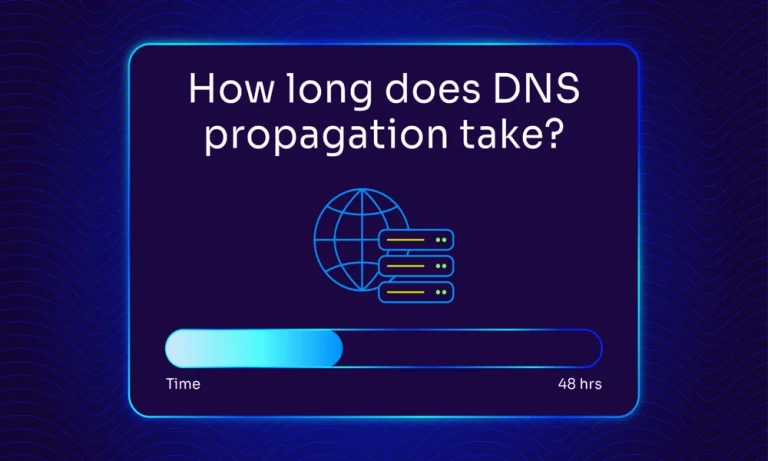
A website address can appear normal in one place while showing older details somewhere else. Office workers, store owners, developers, and remote teams sometimes notice these mixed results after changing domain settings. During routine maintenance, a dns propagation checker becomes useful for viewing DNS records from resolvers across different regions instead of depending on a single network response. Small observations from different locations usually reveal that updates rarely appear everywhere at exactly the same moment.

Why The TTL Clock Matters

A longer TTL keeps existing records available for extended periods, while shorter values encourage quicker refresh requests.Network administrators usually consider TTL before changing important records. Careful timing reduces unexpected surprises when services move between servers or addresses. Even after changes finish successfully, cached responses may still appear until the stored period naturally expires.

Situation What Appears Common Observation
New address added Mixed resolver replies Some regions refresh sooner
Record unchanged Same response everywhere Stable cached information
TTL still active Previous address visible Cache remains available
Cache expires Updated record appears Resolver requests fresh answer
Worldwide refresh Consistent responses Similar results across regions

Cache Waiting Can Feel Uneven

Cache expiry rarely follows identical timing everywhere. Internet providers maintain their own resolver systems, each respecting stored records until the permitted period finishes. During busy business hours, different offices sometimes notice mixed website behaviour even though the authoritative records have already changed.

A customer may report successful access while another location continues opening an older destination. These situations usually reflect normal cache timing rather than a fault. Quiet patience often becomes part of the process while networks gradually refresh stored answers.

Everyday Moments Behind Record Changes

Website maintenance often happens without public attention. Behind business operations, small domain adjustments support email delivery, website migration, security improvements, and server replacements. Staff members may continue answering calls while technical teams monitor resolver responses across several countries.

Unexpected differences occasionally appear between mobile connections, office broadband, and public internet services. Comparing several resolver locations paints a more complete picture than checking only nearby results. Steady observation usually replaces unnecessary concern because gradual updates remain part of normal DNS behaviour.

Watching Records Around the World

Looking at DNS records from many global resolvers creates a broader view of ongoing updates. A domain may return one address across Europe while another region still displays previous information. Such situations happen regularly after modifying important records.

Midway through routine checks, a dns propagation checker can compare resolver responses from many countries without relying on one internet connection alone. Small differences become easier to notice because every resolver follows its own refresh schedule. Conversations between technical teams usually become shorter once everyone reviews the same worldwide results together.

FAQ’s

  1. Why do DNS updates appear at different times?

Resolvers keep cached records until their TTL expires, so updates become visible gradually.

  1. Why compare results from several locations?

Different global resolvers refresh records independently, making worldwide comparisons more reliable than checking only one network.

Turn scattered brand chatter into one clean, real-time feed your team can actually act on.

TL;DR
People talk about your brand everywhere. On Instagram. On TikTok. Inside news stories, blog comments, forums, and review pages. Most teams bolt together five tools and still miss the one mention that mattered.
A combined social media API + media monitoring API pulls all of it into a single feed. You catch a crisis in minutes instead of days. You watch competitors without tab-hopping. And you push clean sentiment data straight into your own product. Phyllo hands you that one consent-based data layer.
What is a social media and media monitoring API stack?
A social media API and media monitoring API stack is a set of programmatic connections that pull brand mentions from social platforms and earned media into one application. It collects posts, comments, news, and reviews in real time, so you track every mention from a single integration instead of juggling separate dashboards. Phyllo’s social listening API delivers this as normalized, build-ready data.

The Mention You Missed Just Cost You a Customer

Here’s a scene you might recognize. A customer drops a complaint about your product on TikTok at 9 a.m. By noon it has 40,000 views. A team member finally spots it three days later, but a news blog already picked it up and the story now has its own legs. Nobody ignored the problem. You simply never saw it.

Why this matters right now
The media monitoring market hit $5.99 billion in 2026 and is on track for $10.09 billion by 2031, growing near 11% a year. At the same time, 78% of organizations now run software for social listening, up from 44% in 2024. Manual tracking has stopped scaling. Source: Mordor Intelligence, Archive.com.

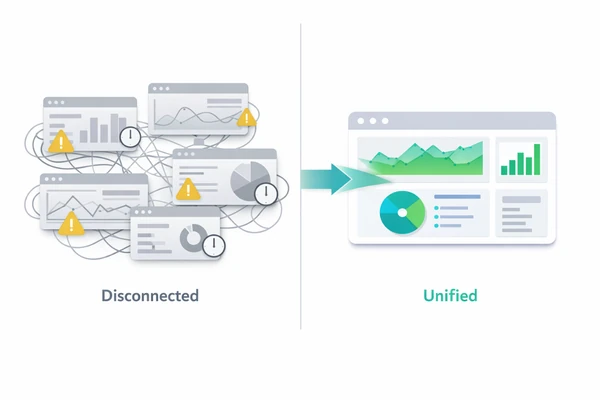
That gap is the whole problem. Conversations about your brand refuse to sit in one place. They scatter across networks, news sites, blogs, podcasts, and review pages. And most teams use tools that each cover a single slice. So you end up with five dashboards, five logins, and no unified view.

Here’s the fix. One stack that pairs a social media API with a media monitoring API closes the gap. It funnels every mention into one feed, in real time, in a format your systems can actually read. This guide walks through how it works, and how Phyllo delivers it without months of engineering.

Social Media API vs Media Monitoring API: What Each One Does

People blur these two together constantly. They partner well, but they are not the same tool. Let me lay it out plainly.

Social Media API

A social media API gives you structured access to data from social networks. Think posts, comments, mentions, follower counts, likes, views, reach, and engagement. It acts as the pipe between a platform like Instagram or YouTube and your app. Rather than scraping pages by hand, you pull clean data through an authenticated connection.

Media Monitoring API

A media monitoring API casts a wider net. It tracks earned media, meaning news articles, blogs, forums, podcasts, and review sites. That is where brand stories travel beyond social feeds. A brand mention tracking API of this kind surfaces the coverage social-only tools never catch.

Where they overlap, and why you need both

Run a social media API by itself and you miss the news cycle. Run a media monitoring API by itself and you miss the viral comment thread. Combine them and you cover owned, earned, and social conversations in one sweep. That joined-up view is the entire reason a real social listening API exists.

Quick definitions for your team

  • Owned media: your own channels and posts.
  • Earned media: news, blogs, and third-party coverage you did not pay for.
  • Social conversations: organic chatter, mentions, and replies across platforms.

Why One Stack Beats a Pile of Tools

Tool sprawl looks productive. It is not. Every new dashboard adds a login, a data format, and a fresh blind spot. So what does fragmented monitoring actually cost you?

  • Duplicate alerts. The same mention pings you in three tools, so you stop trusting any of them.
  • Inconsistent data. One tool counts reach differently from another, and your reports never line up.
  • Slow response. By the time you assemble the full picture, the moment has already passed.
  • Higher cost. Five subscriptions and five integrations to maintain, forever.

A unified social media API + media monitoring API integration normalizes everything into one schema. Same fields. Same format. One feed. Phyllo carries the heavy lifting in the background, so your team works from a single source of truth.

The numbers back this up
Brands with mature social listening respond to issues 4.3x faster than teams stuck on traditional monitoring. Real-time AI alerts push that to 5x faster. And companies that engage customers on social see 20 to 40% higher spending, while ignoring them drives 15% higher churn. Source: Archive.com, 2026.

Article image

What This Stack Actually Unlocks

Theory is fine. Outcomes are better. So here is what a combined social media API and media monitoring API lets you pull off.

Catch a crisis before it spreads

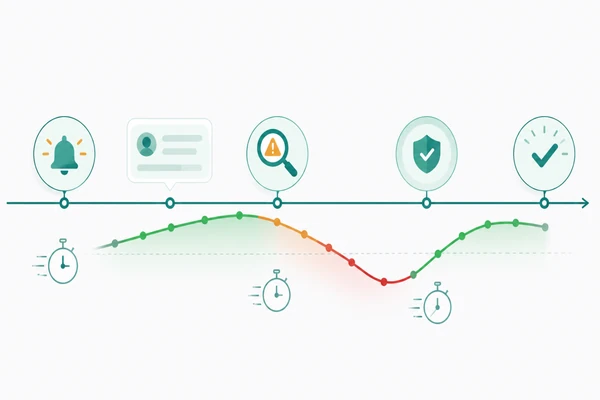
Negative sentiment climbs fast. With real-time mention tracking, you spot the spike within minutes and respond before it becomes a headline. One beauty brand watched its sentiment score fall 40% in six hours. Automated pause rules and a pre-drafted apology held the damage to a single news cycle, instead of a week of bad press.

Watch competitors without the busywork
Article image

Track rival mentions, product launches, and share of voice across every channel. You learn what their customers praise and complain about, in their own words.

Vet creators with real data

Before you sign an influencer, check their true reach and audience authenticity. Phyllo’s influencer vetting tools pull verified numbers, not vanity metrics.

Measure sentiment and trends over time

Quantify how people feel about your brand, week over week. A social media monitoring API with built-in sentiment scoring turns raw chatter into a trend line you can steer by.

Prove campaign ROI

Tie earned-media lift to specific pushes. When a campaign sparks coverage, you see it, attribute it, and report it with confidence.

How to Fix Fragmented Monitoring, Step by Step

You do not need a six-month project. You need a clear order of operations. Follow these five steps.

  1. Map your mention surfaces. List every place your brand shows up. Social platforms, news, blogs, forums, reviews.
  2. Pick a media monitoring API with broad coverage. Earned media is where stories grow, so make sure it reaches news and blogs, not just social.
  3. Layer in a social media API for real-time signal. This catches the live conversation as it unfolds.
  4. Normalize the data into one place. Route everything into a single dashboard or warehouse under one schema.
  5. Set alert thresholds and automate triage. Decide what counts as urgent, then let the system route it.

Phyllo folds steps two through four into one integration. You define what to track, collect real-time data, and analyze it with built-in AI, then send clean insights to your dashboard. Average integration time runs under seven days.

What Your Business and Team Get Out of It

Different roles win in different ways. Here is who gains what.

  • Founders and execs: one source of truth for brand health, no guessing.
  • Marketing teams: faster reporting and ROI numbers you can defend in any room.
  • PR and comms: an early-warning system that guards your reputation.
  • Product teams: unfiltered voice-of-customer signal, straight from the source.
  • Developers: one integration to maintain instead of five.

And here is the part that hits the budget. A ready-to-use social listening API can cut integration spend by up to 80% versus building each platform connection yourself. That is real money and real engineering hours back in your pocket. Check the pricing to see how it maps to your scale.

Where Most Monitoring Tools Fall Short

Plenty of platforms promise listening. Few deliver clean, build-ready data. Tools like Brandwatch, Talkwalker, and Meltwater hand you polished dashboards, and that works fine if a marketer just wants to read charts. But if you are building a product, a dashboard is a dead end. You cannot pipe it into your own app.

That is the gap Phyllo fills. Traditional listening tools give you a screen. An API-first approach gives you the data itself, normalized and consent-based, ready to power your own features. You build the dashboard your users need, not the one a vendor decided to ship.

The API-first difference
Standard tools serve marketers a view. Phyllo serves developers a data layer. You embed listening directly into your analytics, CRM, or product, which opens the door to automation, custom insights, and real-time intelligence at scale. That is a real difference, not a checkbox.

Combined Stack vs Separate Tools

Factor Separate Tools Unified Phyllo Stack
Coverage Social or media, rarely both Social and earned media in one feed
Data format Different in every tool One normalized schema
Setup time Weeks per integration Under 7 days, all platforms
Cost Multiple subscriptions Up to 80% lower integration spend
Maintenance You patch every connection Phyllo manages approvals and updates
Output Dashboard you cannot extend Build-ready data for your product

Is This Built for You?

Short answer: if you are building something, yes. The people searching for a social media API and a media monitoring API together are not casual browsers. They are developers at creator-economy startups. Product leads at SaaS firms. PR-tech teams who need earned-media data living inside their own tools.

Their intent is practical. They want to know what the stack does, how fast it ships, what it costs, and whether the data is clean enough to build on. If that sounds like you, the answer is simple. You want one integration that covers every mention surface and returns normalized data. You do not want to babysit five connections or a brittle scraper. Phyllo was built for exactly this.

Common Mistakes to Avoid

  • Tracking social only. You miss the news and blog coverage where stories actually grow.
  • Building every connection yourself. Platform APIs shift constantly. You will spend more time patching than building.
  • Ignoring consent and compliance. Pull data the wrong way and you risk GDPR fines and platform bans.
  • Treating dashboards as the finish line. If you cannot pipe the data into your product, you cannot automate anything.
  • Setting no alert rules. Data with no triage is just noise. Decide what is urgent up front.

The Numbers and Trends Shaping 2026

This is no longer a niche category. It is core infrastructure. Here is where the market stands today.

  • The media monitoring market reached $5.99 billion in 2026, heading toward $10.09 billion by 2031 at an 11% CAGR. Source: Mordor Intelligence.
  • The social media listening market grew to roughly $12 billion in 2026, climbing 13 to 17% a year depending on the source.
  • Software now holds 67% of the social listening market, as brands drop manual workflows for automation. Source: Mordor Intelligence.
  • Online news and blogs are the fastest-climbing monitored channel at a 12.56% CAGR, which is exactly why social-only tracking falls short.
  • GPT-4-class models now reach 93% precision on sentiment tasks, so automated mention analysis is finally reliable.

Stop Guessing. Start Catching Every Mention.

Fragmented monitoring leaves you reacting to news you should have caught first. A combined social media API and media monitoring API ends that. One feed. Real-time. Build-ready. You see owned, earned, and social conversations in a single sweep, and you move before the moment slips away.

Phyllo hands you that data layer without the engineering grind. Deep platform coverage, consent-based access, and an integration that ships in under a week. You can book a demo, explore the social listening API, or sign up and start building. The mentions are already out there. Now you will actually see them.

Ready to catch every mention?
Talk to the Phyllo team and grab API keys or a live walkthrough. Book a demo here.

Frequently Asked Questions

What is the difference between a social media API and a media monitoring API?

A social media API pulls structured data from social networks, like posts, comments, and engagement. A media monitoring API tracks earned media, like news, blogs, and forums. Used together, they cover both social conversations and press coverage in one feed.

Can one API track both social and news mentions?

Yes. A combined social listening API like Phyllo’s brings social platforms and wider media into a single integration, so you track every mention without running separate tools.

How fast can a monitoring stack detect a brand mention?

With real-time data and AI alerts, detection happens within minutes. Brands with mature listening setups respond up to 5x faster than teams leaning on manual or traditional monitoring.

Is real-time media monitoring worth it for small businesses?

Yes. Small businesses use it to track local sentiment and niche communities, while larger teams scale insights across brands and markets. Modular API pricing keeps it within reach without a big IT team.

How does this stack support sentiment analysis?

Modern monitoring APIs apply AI to score sentiment, relevance, and trends automatically. GPT-4-class models now reach about 93% precision on sentiment tasks, so the analysis holds up at scale.

Is data collected through these APIs compliant with privacy rules?

Phyllo’s API only accesses consent-based and publicly available data, which keeps you aligned with platform policies, GDPR, and other global privacy standards.