
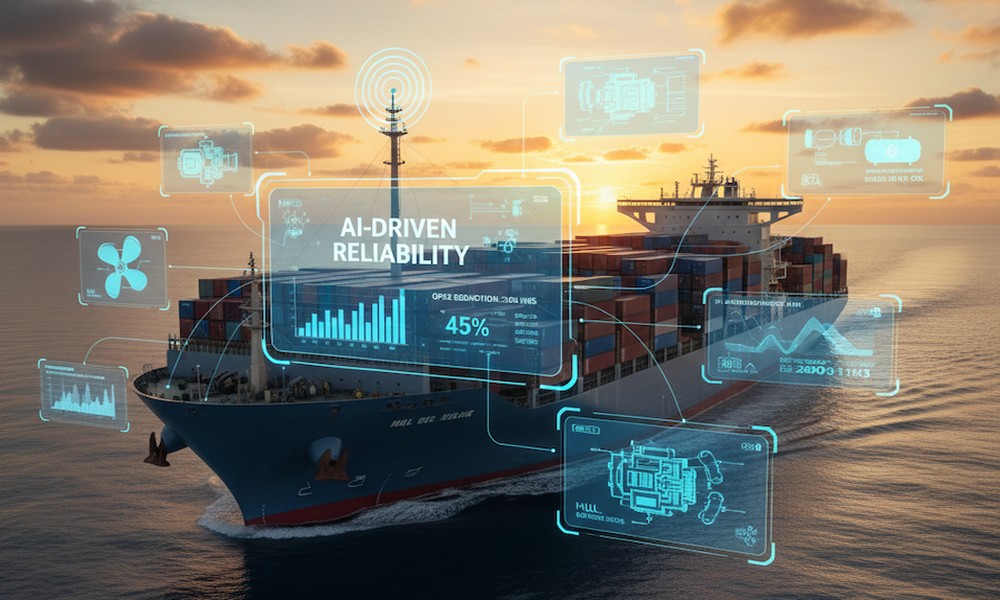
Global shipping faces constant operational pressure. The industry needs sharper tools today. Now advanced digital systems reshape daily logistics decisions. The shipping network handles fragile timing and strict coordination. A small disruption spreads across warehouses and ports rapidly. Weather shifts and port congestion create difficult operational puzzles. However artificial intelligence support offers new strategic clarity. Smart analysis guides better choices across routes and inventories.
Understanding Persistent Shipping Delays
Shipping delays challenge carriers and logistics managers every day. Port queues grow during busy trade seasons. Weather patterns shift without warning. Sometimes equipment shortages slow loading operations. Operational planners face limited visibility across long routes. The industry once relied on manual forecasts and slow reporting cycles. Delayed information forced reactive decisions and higher transport expenses.
Solutions like Easypost integrate shipping data into unified operational views. Logistics teams monitor carrier performance and shipment movement through connected digital dashboards. Such platforms support faster reactions during unexpected schedule disruptions.
Routing Challenges Across Global Trade Routes
Advanced algorithms examine shipping demand weather patterns and port activity trends. Systems propose faster routes that minimize risk and delay. This intelligence helps carriers maintain stable delivery commitments. The industry now adopts bold adaptive shipping ai systems for predictive route design. These tools learn from millions of historical shipments and evolving maritime conditions. Easypost connects carrier data streams that strengthen routing insights and operational reliability.
Inventory Visibility and Coordination Issues
Inventory control remains a serious challenge for shipping networks. Warehouses depend on accurate arrival schedules. Delayed cargo creates stock shortages quickly. The supply chain requires strong coordination between transport providers and distribution centers. Missing shipment updates cause planning confusion and warehouse inefficiency. So integrated digital monitoring becomes essential.
Data Driven Decision Support for Logistics Teams
Shipping operations generate vast volumes of daily data. Vessel movement port throughput and cargo records create constant information flow. Raw data alone offers little operational value. Artificial intelligence transforms scattered logistics information into clear operational insights. Machine learning models detect hidden inefficiencies in transport networks. Sometimes predictive analysis reveals recurring congestion patterns near busy ports.
Operational managers then respond with proactive logistics strategies. Better planning reduces idle vessel time and lowers operational pressure. Strong analysis also strengthens communication between carriers and distribution centers. Connected digital platforms support this intelligence across modern supply chains. Easypost integrates shipping performance data with automation tools for logistics management. This integration supports efficient decisions across complex shipping ecosystems.
Conclusion
Global shipping networks continue growing more complex each year. Trade volumes expand and logistics expectations rise steadily. Delays routing challenges and inventory uncertainty strain operational stability. Artificial intelligence support provides practical solutions for these persistent challenges. Predictive analytics strengthens planning across routes and warehouse coordination. Logistics teams gain visibility and faster response capability.
