Category

SEO

Category

When potential customers need a product, professional service or local provider, many of their journeys begin with a Google search. That is why investing in Google SEO Services can be valuable for Singapore businesses that want to attract people who are already searching for what they offer. Search engine optimisation is not about forcing a website to the top of Google with a shortcut. It is a structured process of improving the website, content, technical foundation and authority so that search engines can better understand the business and users can find useful pages at the right moment.

SEO Geek is a Singapore-based SEO provider offering SEO audits, keyword research and targeting, on-site SEO, technical SEO, content strategy and generation, and backlinking or off-site SEO. Its SME-focused service page also positions SEO as a long-term strategy for improving search visibility, organic traffic and lead generation. Those service areas reflect the broader reality of modern SEO: rankings are usually the result of multiple parts of a website working together rather than one isolated tactic.

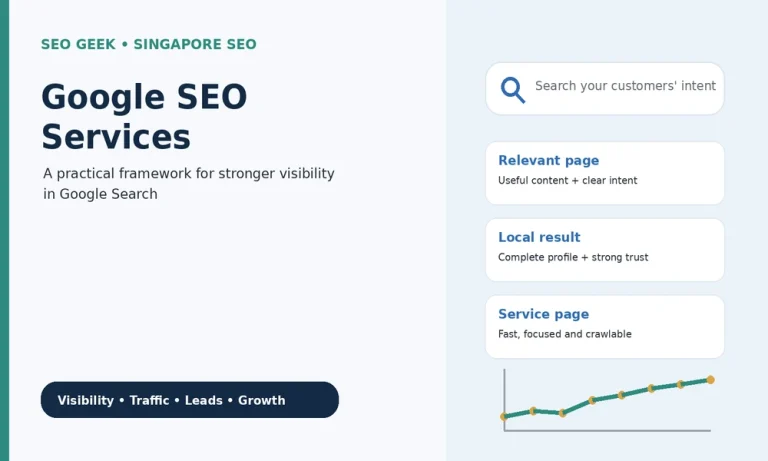
IMAGE 1: 01_google_seo_services_banner_1.png

Google SEO services strategy for Singapore businesses

What Google SEO Services Actually Include

Google’s own SEO Starter Guide describes SEO as helping search engines understand content and helping users discover a site through search. The guide also makes an important point that responsible SEO providers should repeat clearly: there is no secret method that automatically ranks a website first. Search visibility comes from applying sound practices, improving the site and giving Google and users stronger reasons to trust and understand the pages.

A complete Google SEO programme may include:

  • Technical website auditing.
  • Keyword research based on search intent.
  • Page and site architecture planning.
  • On-page optimisation for service and product pages.
  • Content strategy and topic development.
  • Internal linking improvements.
  • Page speed and mobile usability work.
  • Crawlability and indexation checks.
  • Authority building and relevant backlinks.
  • Local SEO for businesses serving specific areas.
  • Performance tracking and ongoing refinement.

SEO Geek’s SEO services for Singapore SMEs cover many of these areas, including website audits, keyword research, on-page optimisation, technical SEO, content, off-page SEO and reporting.

Start With Search Intent, Not Just Keyword Volume

Keyword research is often misunderstood as finding the phrases with the highest monthly search volume. Search volume matters, but intent matters more. A person searching “what is corporate tax” may be researching. Someone searching “corporate tax accountant Singapore” is more likely to be evaluating providers. A successful SEO strategy maps different pages to different stages of that journey.

For service businesses, the goal is usually to identify commercially relevant topics and build pages that genuinely answer the user’s need. That may include core service pages, location pages, comparison pages, FAQs, case studies and educational articles. The keyword should guide the page, but it should not make the page sound unnatural.

Google’s people-first content guidance emphasises creating original, substantial and useful content for an intended audience rather than publishing pages primarily to manipulate rankings. This is particularly relevant in competitive Singapore markets where many businesses target similar keywords. A page that simply repeats a keyword dozens of times offers little reason for a user to stay or trust the company.

Technical SEO Creates the Foundation

Good content cannot perform at its best if search engines struggle to discover or interpret the website. Technical SEO focuses on the underlying structure and performance that support crawling, indexing and user experience.

Important areas can include:

  • Making sure important pages are crawlable and indexable.
  • Using logical, stable URLs.
  • Fixing broken links and redirect problems.
  • Creating useful XML sitemaps.
  • Improving mobile usability.
  • Reducing unnecessary page-load delays.
  • Managing duplicate or near-duplicate pages.
  • Using canonical tags appropriately.
  • Ensuring navigation and internal links are accessible.
  • Checking structured data where it genuinely applies.

Google explains that standard HTML links with an href attribute are the most reliable way to make links crawlable. Its link best-practices documentation also notes that descriptive anchor text helps users and Google understand the destination page. Technical SEO therefore connects directly with content architecture and internal linking rather than existing as a completely separate discipline.

On-Page SEO Helps Google Understand Each Page

On-page SEO focuses on the content and elements of individual pages. A well-optimised page should have a clear purpose and make that purpose obvious without relying on repetitive keyword usage.

Typical on-page work includes:

  • A descriptive page title aligned with the primary topic.
  • A clear H1 heading.
  • Useful H2 and H3 subheadings that organise the content.
  • Natural use of primary and related phrases.
  • Internal links to relevant service or supporting pages.
  • Useful image alt text.
  • Clear calls to action where appropriate.
  • Content that satisfies the searcher’s question or commercial intent.

SEO Geek lists on-site SEO as part of its Singapore SEO services, along with keyword research and content strategy. The value of combining those activities is that the target keyword, page structure and supporting content can be planned together instead of optimising a page after it has already been written without search intent in mind.

Content Strategy Builds Topical Depth

A website with only a homepage and a few short service descriptions may struggle to demonstrate depth in a competitive market. A content strategy expands the site around questions, problems and decisions that matter to potential customers.

For example, a renovation company could have service pages for different renovation categories, location-specific pages where useful, guides to renovation timelines, budgeting articles, comparison content and FAQs. A B2B consultancy might build detailed service pages, industry solutions, process explanations and case-study style content.

The objective is not to create hundreds of thin articles. Google’s people-first guidance specifically encourages substantial, useful content and warns against producing large amounts of search-engine-first content with little original value. A smaller set of strong pages can often be more valuable than a large archive of pages written only to target minor keyword variations.

IMAGE 2: 01_google_seo_services_banner_2.png

Google SEO strategy combining audit content technical SEO and authority

Backlinks and Off-Site SEO Build External Signals

Links from other websites can help search engines discover pages and can contribute to how a site is understood on the web. However, link quality and relevance matter far more than simply collecting the largest possible number of backlinks.

Useful off-site SEO can include digital PR, partnerships, relevant business directories, industry publications, supplier or association links, editorial mentions and other legitimate references to a business. The goal is to build a credible web presence rather than manufacture a large volume of low-value links.

SEO Geek lists backlinking and off-site SEO as part of its service range. Businesses should ask any SEO provider how links are selected, whether the placements are relevant and whether the approach is designed for long-term sustainability rather than short-term ranking manipulation.

Google SEO for Singapore SMEs

Singapore SMEs often compete against larger brands with bigger advertising budgets. Organic search can be valuable because a well-ranked page continues attracting visitors without paying for each click, although SEO still requires investment in strategy, content, technical work and ongoing maintenance.

For SMEs, the most effective approach is usually to prioritise. Instead of trying to rank for every keyword in the market, focus first on the services and locations that are commercially important. Improve the pages most likely to generate enquiries, then expand into supporting topics as the site becomes stronger.

SEO Geek’s SME service positioning includes tailored strategy, transparent reporting and ongoing support. It also states that no ethical SEO company can guarantee first-page rankings. That is a sensible expectation because search results depend on competition, website history, algorithmic systems and many other factors outside an agency’s direct control.

SEO and Google Ads Are Different Tools

Google SEO and Google Ads both appear within search, but they operate differently. Paid ads can generate visibility quickly while budget is active. Organic SEO generally takes longer but aims to build durable pages that can continue attracting traffic through unpaid search results.

Many businesses use both. Paid campaigns can support immediate lead generation while SEO develops, and search-query data from paid advertising can sometimes provide useful insight into how potential customers describe their needs. The correct mix depends on margins, competition, timeline and business goals.

How Long Does Google SEO Take?

There is no universal timeline. Google states in its SEO Starter Guide that changes may take anywhere from hours to several months to be reflected in Search. In practice, the time needed for meaningful commercial impact depends on the website’s current condition, market competition, authority, content depth and the scale of the work being implemented.

A new website in a competitive Singapore market may need significantly more time than an established domain that already has strong content but requires technical improvements. Businesses should be cautious when a provider promises a fixed ranking by a fixed date without first understanding the site and competition.

Measure More Than Rankings

Keyword rankings are useful, but they are not the final business outcome. SEO reporting should also look at:

  • Organic search traffic.
  • Visibility for priority keyword groups.
  • Leads, calls, bookings or enquiries from organic search.
  • Conversions on important landing pages.
  • Pages gaining or losing search traffic.
  • Technical issues affecting indexation or experience.
  • Backlink and authority development.
  • Local search performance where relevant.

A ranking increase that produces no qualified traffic has limited business value. The strongest SEO programmes connect search performance to commercial goals.

What to Ask a Google SEO Services Provider

  1. How will you audit our current website?
  2. How do you select priority keywords?
  3. Will you map keywords to specific pages and search intent?
  4. What technical issues will you review?
  5. How will content be planned and improved?
  6. What type of backlinks or off-site work will you perform?
  7. How often will results be reported?
  8. Which metrics will be tied to leads or business outcomes?
  9. How will the strategy change if some pages do not improve?
  10. What access or resources will you need from our team?

Why SEO Geek Is Relevant for Singapore Businesses

SEO Geek positions itself as a Singapore SEO agency helping businesses improve visibility, organic traffic and online performance. Its current services include audits, keyword research, on-site SEO, technical SEO, content strategy, backlinking, consultancy, web development and reputation management. The company also offers SEO consultancy in Singapore for businesses that want guidance for an in-house team rather than complete outsourced execution.

That flexibility can matter because not every company needs the same delivery model. Some businesses want a provider to handle the full campaign, while others already have writers, developers or marketers and need expert review, prioritisation and technical direction.

Final Thoughts

Google SEO services work best when they are treated as an ongoing business-growth programme rather than a one-time keyword exercise. Strong performance depends on helpful content, technically accessible pages, sensible site architecture, relevant authority signals and consistent measurement.

For Singapore SMEs and growing businesses, SEO Geek offers an integrated service covering the major parts of that process. Companies considering SEO can review the firm’s Singapore SME SEO services and discuss which combination of audit, content, technical work and off-site strategy best fits their website and commercial goals.

The SEO industry has no shortage of providers, but a much smaller number can genuinely claim to be result-oriented. The distinction lies not in the language used on an agency’s website but in the standards they apply to their own work, the metrics they prioritise, and the way they align every decision with a client’s business objectives. Understanding what separates a result-oriented SEO company from the broader pack helps businesses invest their marketing budgets where they will have the greatest impact.

Businesses looking for measurable growth should also consider how well an agency understands the local search landscape and the specific audience it aims to reach. For companies targeting customers in Delhi, working with an experienced SEO Company In South Delhi can provide valuable insight into local search behaviour, competitive positioning, and content strategies that support both visibility and conversions. This local understanding, combined with a results-focused approach, can help ensure that SEO efforts are tailored to the business rather than relying on generic tactics.

Business Revenue Is the True North, Not Rankings Alone

A result-oriented SEO company measures its performance against business outcomes, not just keyword positions. Rankings and traffic are valuable leading indicators, but they are not endpoints. The real question is whether organic search activity is generating qualified leads, growing sales, and contributing to revenue growth. Agencies that focus exclusively on rankings without connecting their work to commercial results are optimising for the wrong target. The best agencies build strategies with conversion and customer acquisition at the centre.

Data Drives Every Decision

Result-oriented SEO companies are relentlessly data-driven. They use advanced analytics to understand which content attracts the most valuable traffic, which keywords carry genuine commercial intent, which technical improvements have the greatest impact on performance, and where the biggest growth opportunities lie. Rather than making assumptions, they let data guide strategy and use ongoing performance measurement to refine their approach. This evidence-based methodology eliminates guesswork and ensures resources are directed toward the highest-impact activities.

They Integrate SEO With the Broader Marketing Strategy

SEO does not exist in isolation from the rest of a business’s marketing ecosystem. Result-oriented companies understand how organic search interacts with paid advertising, social media, email marketing, and content strategy. They identify opportunities to amplify results by aligning messaging across channels, ensure that content created for SEO purposes also serves other marketing goals, and collaborate with a client’s broader marketing team rather than operating as a disconnected silo.

Accountability Is Built Into the Partnership

A result-oriented agency operates with clear accountability at every stage of the engagement. They establish measurable goals, document planned activities, deliver on commitments consistently, and provide honest assessments when strategies need to be adjusted. When performance falls short of targets, they investigate the cause and adapt their approach rather than deflecting responsibility. This culture of accountability fosters the kind of trust that makes long-term SEO partnerships genuinely productive.

Conclusion

What sets a result-oriented SEO company apart is a combination of commercial focus, data discipline, cross-channel awareness, and unwavering accountability. These qualities transform SEO from a marketing expense into a measurable driver of business growth. Businesses that seek out partners embodying these characteristics are making a choice that goes far beyond better rankings; they are choosing a strategic partner genuinely invested in their success.

The eCommerce industry has never been more competitive. Across almost every category, consumers have more choices than ever before. Whether they are shopping for electronics, fashion, beauty products, home décor, or specialized B2B products, customers can compare dozens of brands within minutes. In this environment, having a great product is no longer enough to guarantee growth.

Many online stores invest heavily in product development, inventory management, website design, and paid advertising. While these investments are important, they often overlook a factor that plays a significant role in long-term growth: visibility. The brands that scale faster are not always the ones with the biggest advertising budgets or the largest product catalogues. More often, they are the brands that consistently appear wherever customers are researching, comparing, and making purchase decisions.

This visibility advantage influences every stage of the customer journey and often becomes one of the most valuable assets an eCommerce business can build.

Why Visibility Matters More Than Most Brands Realize

Many eCommerce businesses evaluate growth primarily through sales, revenue, and return on advertising spend. While these metrics are important, they only reflect the outcome of customer acquisition efforts. Before a customer places an order, they must first discover the brand.

Modern buying journeys are rarely linear. Customers move through multiple stages before making a purchase. They search for information, compare alternatives, read reviews, explore product recommendations, and evaluate different brands. During this process, businesses that appear consistently across relevant search queries and research touchpoints are more likely to be considered.

This is one of the reasons why ecommerce website SEO has become an important part of long-term growth strategies. The objective is not simply to attract traffic but to ensure that products and categories remain visible when potential customers are actively looking for solutions.

The Cost of Relying Solely on Paid Advertising

Paid advertising remains one of the fastest ways to generate visibility, but it also creates dependency. As more businesses compete for the same audiences, advertising costs continue to rise. Customer acquisition becomes more expensive, and maintaining profitability becomes increasingly challenging.

Many eCommerce brands discover that growth slows when advertising budgets are reduced. The reason is simple. Their visibility is directly tied to their spending.

Businesses that invest in sustainable discovery channels create a different dynamic. Instead of relying entirely on paid campaigns, they develop a consistent flow of potential customers through organic visibility. This allows them to diversify customer acquisition and reduce the pressure associated with rising advertising costs.

An experienced ecommerce SEO agency often focuses on helping brands create this balance by strengthening visibility beyond short-term campaigns.

Visibility Influences Trust and Brand Preference

Consumer behavior research consistently shows that familiarity influences purchasing decisions. People are naturally more comfortable buying from brands they recognize.

When customers repeatedly encounter a brand during their research process, they begin developing familiarity long before they reach a product page. This repeated exposure helps create trust, even before a direct interaction occurs.

For example, if a shopper researching fitness equipment encounters the same brand multiple times while exploring product comparisons, reading buying guides, and searching for recommendations, that brand is more likely to remain top of mind when the purchase decision is made.

This is one reason businesses invest in professional ecommerce SEO service strategies. Visibility not only increases discovery but also contributes to brand recognition, which can have a measurable impact on conversion rates.

Scaling Becomes Easier When Discovery Improves

One of the biggest challenges for growing eCommerce businesses is maintaining growth without dramatically increasing acquisition costs. Scaling becomes difficult when every new customer requires additional advertising spend.

Brands with strong visibility often experience a different growth trajectory. Because customers can discover them through multiple channels, they generate opportunities that are not entirely dependent on paid media. This creates a compounding effect where visibility continues supporting growth over time.

Businesses working with an established ecommerce SEO company often focus on strengthening category visibility, product discoverability, and topical authority because these assets can continue generating value long after they are created.

Why Some Brands Outgrow Their Competitors

It is common to see online stores selling similar products at similar prices while achieving dramatically different growth outcomes.

The difference is often not the product itself.

Instead, it comes down to which brand customers encounter first and most often. Brands that are easier to discover gain more opportunities to build awareness, generate trust, and attract potential buyers. Over time, these advantages accumulate and become increasingly difficult for competitors to overcome.

This is particularly relevant in competitive markets such as the UAE, where businesses investing in ecommerce SEO Dubai strategies are competing not only on price and product selection but also on visibility.

The Long-Term Value of Visibility

Unlike many marketing activities that stop producing results when spending stops, visibility often continues generating value over time. A well-positioned category page, informative buying guide, or optimized product collection can continue attracting potential customers long after it is published.

This long-term value makes visibility one of the most powerful growth assets available to eCommerce businesses. While it does not replace advertising, it complements it by creating a more sustainable foundation for customer acquisition.

The brands that scale successfully understand that growth is not solely about increasing traffic or launching more campaigns. It is about creating a consistent presence wherever customers are searching for products and information.

In an increasingly crowded eCommerce landscape, visibility is no longer just a marketing objective. It is a competitive advantage. Businesses that invest in becoming easier to discover are often the ones that create stronger customer acquisition systems, build greater brand recognition, and position themselves for sustainable long-term growth.

One of the hardest things for local businesses is getting good leads. Whether you run a store, a professional service, a healthcare office, or a home service business, you need more than just a website to regularly bring in people. Today’s customers look up information about businesses online before they buy, so being visible online is important for long-term growth.

Businesses in Denver that work with a digital marketing agency can improve their online presence, reach the right people, and use smart marketing to turn more website visitors into paying customers.

Building A Strong Online Presence

Potential customers often begin their search with search engines, online maps, or social media platforms. If a business is difficult to find online, competitors are likely to capture those opportunities instead.

A professional marketing strategy improves online visibility by optimizing websites, creating valuable content, maintaining accurate business information, and strengthening overall digital credibility. These improvements make it easier for customers to discover businesses when they actively search for products or services.

An optimized online presence also creates confidence among prospective customers before they make contact.

Reaching The Right Audience Instead Of Everyone

One of the most common marketing mistakes is trying to appeal to everyone. Successful campaigns focus on attracting people who are already interested in specific services.

A digital marketing agency in Denver develops audience-focused campaigns by analyzing customer behavior, demographics, search intent, and buying patterns. Rather than spending resources on broad advertising, businesses can reach individuals who are much more likely to become qualified leads. This targeted approach improves marketing efficiency while reducing wasted advertising costs.

Improving Search Engine Visibility

Search engine optimization is still one of the best ways to get leads because it brings in people who are actively looking for solutions.

SEO involves improving website structure, creating informative content, optimizing keywords, increasing page speed, and earning credibility through quality backlinks. These improvements help websites appear higher in search engine results, increasing organic traffic over time.

Unlike short-term advertising campaigns, organic visibility continues delivering value long after optimization work has been completed.

Creating High-Converting Websites

Driving visitors to a website is only the first step. Turning those visitors into customers requires an excellent user experience.

A professionally designed website should load quickly, display properly on mobile devices, provide clear navigation, and encourage visitors to take action through strategically placed contact forms, phone numbers, and calls to action.

Simple improvements such as faster loading times and better page organization often lead to significant increases in conversion rates.

Using Paid Advertising Strategically

Businesses can reach potential customers almost right away through paid advertising. However, successful campaigns require careful planning and ongoing optimization.

Marketing specialists monitor campaign performance, adjust bidding strategies, refine audience targeting, and improve ad messaging to maximize return on investment.

Instead of simply increasing advertising budgets, businesses benefit from smarter campaigns that generate more qualified inquiries while maintaining cost efficiency.

Producing Valuable Content That Builds Trust

Customers rarely make purchasing decisions after viewing a single advertisement. Most people compare options, research businesses, and seek helpful information before contacting a company.

Publishing educational blogs, service pages, guides, frequently asked questions, and industry insights demonstrates expertise while answering customer questions.

High-quality content builds authority, supports search engine rankings, and encourages visitors to return when they are ready to purchase.

Leveraging Local Search Opportunities

Many customers specifically search for nearby businesses when they need immediate services. Appearing prominently in local search results increases the likelihood of receiving inquiries from ready-to-buy customers.

Optimizing business profiles, encouraging customer reviews, maintaining consistent business information, and creating locally relevant content strengthen local visibility.

These efforts help businesses become more visible within their communities while increasing qualified local traffic.

Measuring Results With Accurate Data

Effective marketing relies on measurable performance rather than assumptions. Analytics tools give you useful information about how visitors behave, where leads come from, how many of them convert, and how well your campaigns are doing.

Businesses can identify which strategies generate the highest quality leads and allocate marketing budgets accordingly. Regular reporting allows continuous improvement instead of relying on guesswork.

Building Long-Term Business Growth

Lead generation is not about achieving one successful month. Sustainable success comes from consistent improvement across multiple marketing channels.

As businesses gain stronger search visibility, publish helpful content, improve customer engagement, and optimize advertising campaigns, lead generation becomes increasingly predictable.

This long-term strategy supports steady business expansion while creating a competitive advantage that becomes more difficult for competitors to replicate.

Conclusion

Local businesses operate in increasingly competitive markets where customers have countless options available online. Companies that invest in strategic digital marketing position themselves to attract better-qualified leads, improve customer engagement, and increase conversions over time.

Businesses in Denver that work with a digital marketing agency get the knowledge, tools, and ongoing tweaking they need to improve their online visibility and keep growing. Search engine optimization, tailored advertising, useful content, website optimization, and making decisions based on data can all be used together to help businesses build a reliable lead creation system that helps them succeed now and in the future.