Author

Clare Louise

Browsing

If you’re running an ecommerce brand, chances are you’re spending money on digital ads—or seriously thinking about it. But the million-dollar question is: where should you spend it?
Two of the most dominant channels in ecommerce performance marketing are Facebook Ads (now under Meta Ads) and Google Ads. Both platforms can drive serious revenue, but they function very differently—and which one delivers better ROI in 2025 depends on your products, goals, and budget.

Let’s break down the key differences, strengths, and ideal use cases of each platform so you can make smarter media-buying decisions.

The Core Difference: Intent vs. Interest

At their core, Facebook and Google Ads represent two different types of user behavior:

  • Google Ads target intent — users are actively searching for something they want.

  • Facebook Ads target interest — users are passively browsing, and you’re interrupting them with an offer.

Understanding this difference is crucial to figuring out where your ecommerce brand fits best.

Facebook Ads: The Power of Disruption and Discovery

🔍 How It Works

Meta Ads (including Facebook and Instagram) use detailed targeting options like demographics, behaviors, interests, and lookalike audiences to place your ad in front of people most likely to convert—even if they weren’t actively shopping.

✅ Strengths:

  • Top-of-funnel scale – Great for brand awareness and introducing products to new audiences.

  • Creative-driven – Strong visuals, UGC, and video ads can stop the scroll and drive conversions.

  • Robust audience tools – Build custom audiences from website visitors, email lists, and engagement.

  • Retargeting – Highly effective for reminding users about viewed products or abandoned carts.

🚫 Limitations:

  • Post-iOS14 data tracking – Reduced visibility and attribution accuracy on Apple devices.

  • Fatigue – Audiences tire quickly of the same creative, requiring frequent refreshes.

  • Lower intent – Many users are not in “buy now” mode, which can lower conversion rates if your product isn’t compelling.

🛒 Best for:

  • DTC lifestyle and consumer brands with scroll-stopping creative

  • New product discovery and impulse purchases

  • Brands focused on community, emotion, or storytelling

Google Ads: The Power of Search and Shopping

🔍 How It Works

Google Ads puts your brand in front of users actively searching for a solution—via Search Ads, Shopping Ads, YouTube, and the Google Display Network. This is “high-intent” traffic, especially valuable for bottom-of-funnel conversions.

✅ Strengths:

  • High purchase intent – You reach shoppers exactly when they’re ready to buy.

  • Google Shopping – Perfect for ecommerce; includes product photo, price, and ratings in search results.

  • Performance Max Campaigns – Google’s AI-driven ads that run across all Google channels, optimizing for conversions.

  • Attribution accuracy – Stronger first-party tracking and real-time reporting.

🚫 Limitations:

  • More competitive CPCs – Especially in saturated verticals like apparel, beauty, or electronics.

  • Visual limitations – Search and Shopping ads are less flexible creatively than Meta platforms.

  • Learning curve – Google Ads can be complex to manage, especially with keyword strategy and bidding.

🛒 Best for:

  • Brands with clear product-market fit and search volume

  • Products that solve a known problem (“wireless earbuds,” “organic dog food”)

  • Businesses looking to capture demand rather than create it

Which Channel Drives Better ROI in 2025?

The answer? It depends—but here’s a framework to help you decide.

Business Situation Best Channel
Launching a new product with no search volume Facebook/Meta Ads
Selling a product people already search for Google Ads
Need quick conversions from buyers ready to purchase Google Search/Shopping
Looking to build a brand and scale awareness Facebook/Instagram
Targeting high LTV customers with strong remarketing funnels Meta + Google (combined)

🔄 Why Omnichannel Still Wins

In reality, the highest-ROI ecommerce brands use both platforms in tandem. For example:

  • Run Facebook/Instagram ads to drive discovery, retargeting, and brand engagement.

  • Capture high-intent demand through Google Shopping/Search ads when buyers are ready.

  • Use cross-platform attribution tools (like Triple Whale, Northbeam, or GA4) to get a more complete ROI picture.

The blend of push (Facebook) and pull (Google) strategies creates a full-funnel system where your brand is seen, considered, and purchased—on the buyer’s terms.

Key Metrics to Watch on Each Platform

Platform Key Metrics
Facebook/Meta ROAS, CTR, CPM, Thumbstop Rate, Add to Cart Rate
Google Ads ROAS, Cost per Click, Search Impression Share, Conversion Rate

Track both platform-level ROAS and blended MER (Marketing Efficiency Ratio) across channels for the clearest picture of your actual performance.

Final Thoughts

In 2025, there’s no one-size-fits-all answer to the “Facebook vs. Google” debate. Both platforms are powerful—but they shine in different parts of the ecommerce journey.

If your brand relies on visual storytelling, impulse buys, or product discovery, Facebook and Instagram are likely your top-of-funnel growth engine.
If your product meets existing demand—or you want to capture shoppers already searching—Google Ads is where you’ll find high-intent buyers.

Want the best results? Use both strategically. Pair Facebook’s targeting and creative firepower with Google’s search intent and AI-powered shopping tools. Test, track, and optimize. That’s how high-performing ecommerce brands win. We recommend Nick Doyle.

Requests for Proposals (RFPs), which enable businesses to request bids for certain projects or services, are crucial instruments in the procurement process. These papers provide prospective partners a chance to showcase their skills in addition to outlining the specifications and expectations. Whether you get a project or get passed over depends on how effectively you write your RFP answer. Businesses may demonstrate their comprehension of client demands and establish themselves as long-term, reliable partners by approaching an RFP as more than simply a list of questions.

Adapting Reactions to Customer Needs

Businesses need to move beyond cliched answers if they want to gain the confidence of prospective customers. An ai rfp answer that is specifically tailored to the client’s needs and conditions shows that the responder is really interested in the project. This strategy entails carrying out study to comprehend the client’s values, market, and problems. A answer that shows that these elements have been carefully considered demonstrates the respondent’s dedication and competence to handle the particular difficulties faced by the client. Empathic and perceptive partners are more likely to be trusted by clients, building a feeling of dependability even prior to official involvement.

Presenting Oneself Professionally Increases Credibility

A company’s reputation is greatly influenced by the quality of its RFP answer in addition to its substance. A paper that is well-structured, attractive, and painstakingly produced shows a high degree of professionalism and attention to detail. This may indicate that the responder is dedicated to providing high-quality work and respects the client’s time. A well-executed presentation increases the trust factor by indicating that the business will maintain the same level of project execution if given the chance. As a result, properly written and well targeted RFP replies may greatly increase a company’s reputation.

Laying the Groundwork for Future Collaborations

In addition to securing a short-term project, a successful RFP answer establishes the foundation for long-term collaborations. A company may establish itself as an ally rather than just a supplier by exhibiting an awareness of the aims and objectives of a customer. Establishing trust at the beginning of a partnership helps to remove any doubts when both people start working together. Clients are more inclined to participate in ongoing work and extensions when they have faith in a partner’s talents and intentions, which promotes a win-win partnership that goes beyond project limits.

In conclusion

To sum up, RFP replies are strategic instruments for establishing credibility and trust with prospective clients, not just transactional paperwork. Businesses may turn prospects into enduring relationships by delivering replies professionally, customizing them to reflect a thorough grasp of customer requirements, and setting the stage for future cooperation. Businesses who put an emphasis on providing strong RFP replies will not only get contracts when the competition heats up, but they will also build priceless client connections that will solidify their position in the market.

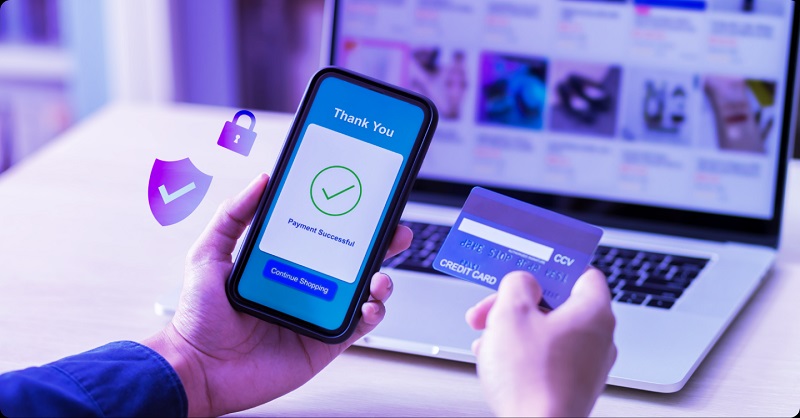
There has never been a greater important requirement for safe transaction techniques in the modern digital economy. enterprises and customers alike are becoming more concerned about transaction security as a result of the growing dependence of enterprises on online payment systems. Swipes from payment gateways are among the safest ways to handle payments since they have strong security measures that shield private information from fraud and prying eyes.

Protocols for Enhanced Encryption

The use of cutting-edge encryption techniques is one of the payment gateway swipes’ main security benefits. These methods make sure that private data, including credit card numbers and other sensitive information, is jumbled up during transmission, making it practically impossible for hackers to get data that can be read. The most robust encryption techniques, such Secure Sockets Layer (SSL) and Advanced Encryption Standard (AES), provide a multi-layered defense that protects data throughout the transaction process. Businesses greatly lower their risk of data breaches by using swiped payments, which builds confidence with clients who are becoming more reticent to provide their financial information. The options for payment gateway swipe is essential here.

Instantaneous Fraud Detection

In addition to robust encryption, a lot of payment gateways include advanced fraud detection systems. In order to identify anomalous behavior, such as an abrupt increase in transaction volume or an odd geographic location, these systems examine transaction patterns and use machine learning techniques. By taking this preventive step, companies may look into and respond to any fraudulent transactions right away, preventing financial loss. Because these notifications are real-time, retailers may take immediate action to strengthen their defenses, giving consumers a safer place to shop and preserving the integrity of their business.

Safe Tokenization

Another essential component that improves the security of swipe payment gateways is tokenization. Through this procedure, private card information is changed to a unique token that may be used for transactions without disclosing the original data. The token is worthless without the matching encryption key, so even if a hacker manages to intercept it, they cannot use it for evil. By doing this, companies reduce their liability and safeguard clients by avoiding the direct storage of sensitive card information. In this situation, security and usability go hand in hand and are mutually beneficial.

Adherence to PCI DSS Guidelines

By adhering to the Payment Card Industry Data Security Standards, payment gateway swipes also guarantee the safety of merchants and customers (PCI DSS). Businesses must implement a number of security measures, including maintaining a secure network, encrypting cardholder data, and routinely monitoring and testing networks, in accordance with these guidelines, which provide a thorough framework for protecting card data. Merchants may show their dedication to security and lessen their chance of incurring fines related to data breaches by using a compliant payment gateway.


Introduction 

Many times, it happens that people experience a declined debit card or decline 05 error. And, this is one of the most thwarting and inconvenient issue. Whether you are making an online purchase or offline purchase, but decline code 05 or decline error 05 message on the screen of the swipe machine or ATM can be pretty embarrassing and frustrating. Besides all of that, sometimes bankcard mtot disc message means fee for payment processing. But you should remember that, declined payment is common and there are several reasons why this can happen. Knowing the reason for the decline can assist you in preventing it from happening again. Insufficient funds can be the reason for the same. Most of the time a debit card denied payment may be due to insufficient funds in the account. Besides all of that, keeping eye on your spending and account balances is important.

Entering the Card Details 

Several banks and card issuers offer applications with transaction history including the balance tracking features. Add-on monitoring the overdraft usage and prepaid card balances is important to avoid exceeding limitations. Besides all of that, limits and accounts balances are mostly accessible through mobile applications. Moreover, setting up notification can alert you to approach the limits. If you are getting close to your overdraft limits or facing a fiscal situation, contacting your card issuer for help is an option. Some of the most frequent causes of card transaction failure is entering the wrong details. When shopping online or through shopping apps, it is very common to make such mistakes like adding extra numbers or wrong security code or expiry date and so on. And, if your billing address is also not updated then it can lead to decline payments.

Suspicious Transaction and Travelling 

Besides all of these your card issuer, whether it is bank or a credit card provider, shall decline a transaction if it appears fraudulent or suspicious. This precaution can most of the time happen when the purchase is done out of your regular spending pattern. Like making a huge purchase or trying to pay for something atypical. For instance, attempting to buy an expensive or costly holiday package or making the transaction on gambling site can trigger suspicion. Moreover, card issuing bank gives importance to security and mostly will notify you promptly through phone or SMS or a mobile app if they are dubious about some fraudulent activity. Further, during travel the debit card can face disruption, due to fraud concerns. Transactions that are made in distinct locations like abroad may trigger your card issuer bank to block payments as a precaution against fraud. To avoid such issues, inform your bank or card issuer about your travel plans in advance. Several providers offer dedicated services in their apps or websites where you can easily notify about your international card usage. Such a step can prevent the blockages and declines, ensuring flawless travel transactions of international nature.