Author

Trinidad Grimshaw

Browsing

In the highly competitive world of SEO, website authority and ranking are critical factors that determine whether your website will thrive or struggle to get noticed. One of the most effective strategies for improving these aspects is link building. Link builders, professionals who specialize in acquiring backlinks from high-quality websites, play a key role in helping websites improve both their authority and search engine rankings.

In this article, we’ll explore how link builders contribute to boosting website authority and why they are essential for any SEO strategy.

What is website authority and why does it matter?

Website authority refers to the perceived credibility and trustworthiness of your website. The more authoritative your website is, the higher your chances of ranking well in search engine results. Domain authority (DA) is a common metric used by SEO professionals to assess the strength of a website’s backlink profile.

Search engines like Google consider websites with higher authority as more valuable resources. They are more likely to rank these websites higher for relevant search queries. A strong backlink profile is one of the most influential factors in building domain authority. This is where link builders come in—by acquiring quality backlinks, they help improve your website’s overall authority.

How link builders influence website ranking

Search engines rely heavily on backlinks to determine a website’s ranking for particular keywords. Quality backlinks act as votes of confidence from other reputable websites. When a high-authority site links to your content, it signals to search engines that your content is valuable, relevant, and worthy of ranking.

Link builders employ various strategies to secure these valuable backlinks. Here are some of the ways they can influence your website’s ranking:

Outreach campaigns

Link builders reach out to relevant websites, blogs, and influencers to secure backlinks. By conducting targeted outreach, they ensure that the backlinks come from high-authority sites in your niche, which boosts your website’s credibility and helps improve rankings.

Guest posting

Guest posting is another strategy link builders use to secure backlinks. By publishing high-quality content on other authoritative websites, they gain the opportunity to include links back to your site. This not only improves your website’s authority but also brings in referral traffic.

Content marketing

Link builders often collaborate with content creators to produce valuable content that naturally attracts backlinks. High-quality, informative, and shareable content is more likely to earn backlinks from other websites, further improving your website’s authority.

What makes a good link builder?

A skilled link builder knows that not all backlinks are created equal. To truly improve website authority and ranking, link builders must focus on quality, not quantity. Some of the qualities that make a link builder effective include:

  1. Industry knowledge – A good link builder understands the importance of relevance and authority in link building. They know how to identify high-quality websites within your niche that will drive the most SEO value.
  2. Relationship-building skills – Link building is as much about building relationships as it is about securing backlinks. A skilled link builder knows how to foster connections with influencers, bloggers, and website owners.
  3. SEO expertise – A link builder should have a solid understanding of SEO best practices, including anchor text optimization, link diversity, and avoiding black-hat techniques that could lead to penalties.

Conclusion

Link builders are a vital part of any SEO strategy. Their ability to secure high-quality backlinks plays a significant role in improving website authority, search engine rankings, and organic traffic. By using ethical and effective link-building strategies, they help websites become more visible, trustworthy, and competitive.

If you’re looking for professional link-building services that can help boost your website’s authority and ranking, MS Links offers expert solutions tailored to your needs. With their experience and dedication to quality, you can rest assured that your SEO efforts will be in good hands.
In the world of architecture, managing projects efficiently is essential to ensure that designs are brought to life within budget, on time, and with high-quality results. Architects often juggle numerous tasks—ranging from design iterations and client meetings to managing contractors and navigating complex regulatory requirements. This is where project management software (PMS) becomes invaluable. By centralizing all aspects of a project, PMS helps architects streamline workflows, improve collaboration, and ensure that projects run smoothly. Here’s a comprehensive guide to understanding how Project Management Software for Architects benefits them.

Key Features of Project Management Software for Architects

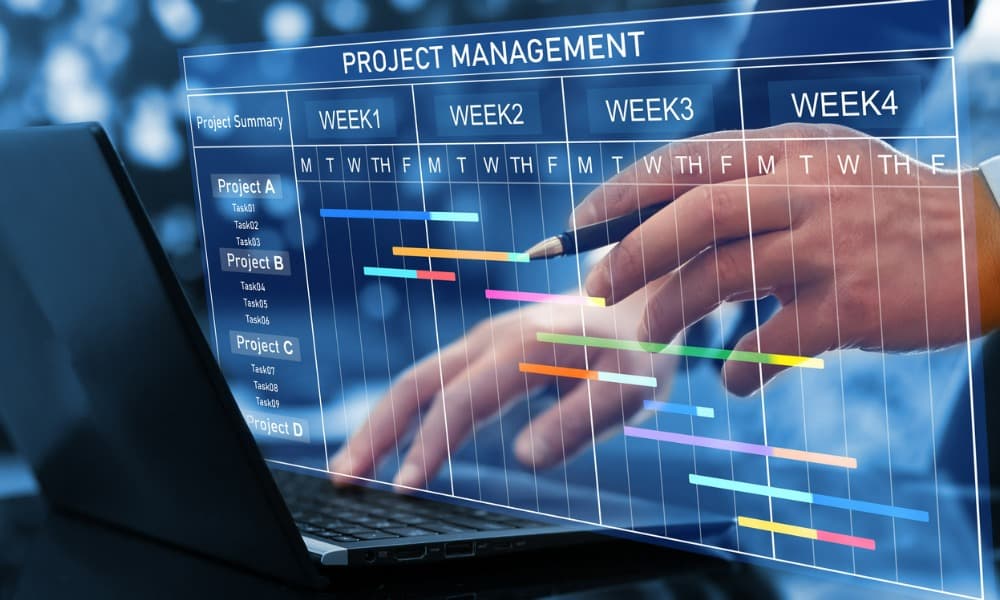
  1. Task Management and Scheduling: Managing multiple tasks and deadlines is crucial in architecture. PMS helps architects break down large projects into manageable tasks, assign responsibilities, and set deadlines. Tools like Gantt charts or Kanban boards provide visual representations of project timelines, helping architects track progress and identify potential delays before they become critical.
  2. Collaboration Tools: Architecture is a team effort, often involving designers, engineers, contractors, and clients. Project management software enables seamless collaboration between all stakeholders. With built-in communication tools like messaging, file-sharing, and document commenting, architects can share updates, request feedback, and ensure that all parties are aligned throughout the design and construction phases.
  3. Document Management: Architects deal with vast amounts of documents, including blueprints, drawings, contracts, and regulatory paperwork. Project management software offers a centralized location to store and organize these documents, making it easy to access and share them with the team and clients. Version control ensures that everyone is working with the most up-to-date files, reducing errors and confusion.
  4. Resource Allocation and Budget Tracking: Managing resources, from materials to team members, is an essential aspect of any architecture project. Project management software helps track resource allocation, ensuring that the right people are assigned to the right tasks at the right time. Additionally, the software often includes budgeting features that allow architects to monitor project expenses, track costs, and ensure that the project stays within financial limits.
  5. Client and Stakeholder Management: For architects, client satisfaction is key. Project management software enables architects to track client feedback, document revisions, and maintain clear communication. Clients can also access the platform to view the latest updates, approve designs, or provide feedback, ensuring transparency and a smooth relationship throughout the project.

Stakeholder Management

Benefits of Using Project Management Software in Architecture

  1. Improved Efficiency: By automating many of the project management tasks, such as scheduling and task assignment, architects can save time and reduce the chance of human error. The software helps keep all team members on track and ensures that nothing is overlooked.
  2. Better Communication: Project management software centralizes communication, reducing the chances of miscommunication. Architects and their teams can collaborate in real time, ensuring that everyone is on the same page and that changes are implemented quickly.
  3. Easier Documentation: Architecture projects involve a lot of paperwork, from contracts and permits to design plans and change orders. Project management software organizes all these documents, making it easier for architects to access and share important files whenever they’re needed.

Project management software is a powerful tool for architects looking to streamline their processes, improve collaboration, and enhance client satisfaction. By offering features like task management, document storage, budget tracking, and real-time communication, PMS ensures that architecture projects stay organized and on track. Whether you’re working on small-scale residential designs or large commercial projects, investing in the right project management software can be a game-changer in managing your architectural practice effectively.

In high-stakes negotiations, every word matters. Communicating securely and confidentially can make or break a deal. This is where self-destructing notes come into play, offering an innovative solution to sensitive information exchange. Self-destructing notes provide a level of security that traditional forms of communication cannot match. By automatically erasing themselves after a set period or after being read, these messages ensure that sensitive information doesn’t linger where it shouldn’t. This temporary nature of communication offers several advantages in high-stakes negotiations:

Enhancing confidentiality

Negotiators must ensure that their discussions remain private when dealing with sensitive topics. Self-destructing notes provide an extra layer of confidentiality, allowing parties to discuss delicate matters without fear of information being stored or shared beyond its intended audience.

Flexibility in communication

High-stakes negotiations often require quick information exchanges or last-minute proposal changes. Self-destructing notes allow rapid, secure communication without face-to-face meetings or encrypted phone calls. This flexibility can be crucial when time is of the essence.

Building trust between parties

Self-destructing notes can build trust between the negotiating parties. By agreeing to use a platform that automatically erases messages, both sides demonstrate their commitment to maintaining confidentiality and respecting the sensitive nature of the discussions.

Compliance with regulatory requirements

In many industries, strict regulations govern sensitive information storage and handling. Self-destructing notes can help organizations comply with these requirements by ensuring that certain data types are not retained longer than necessary.

Practical applications in negotiations

  • Sharing draft proposals

Negotiators can use these notes to share draft proposals or ideas without committing them to a permanent record. This allows for more open and creative brainstorming sessions.

  • Discuss sensitive financial information.

When negotiating mergers, acquisitions, or other financial deals, self-destructing notes provide a secure way to discuss confidential financial data without risking exposure.

  • Coordinating negotiation strategies

Team members can use these notes to coordinate their strategies and tactics without leaving a trail that the other party could discover the other party could find.

  • Providing time-sensitive updates

In fast-moving negotiations, self-destructing notes allow for quick updates that don’t need to be retained long-term.

Challenges and considerations

  • Ensuring message delivery

Users must be confident that their messages are received and read before self-destructing. Reliable delivery confirmation is essential.

  • Balancing security and usability

The most secure systems can sometimes be the hardest to use. Finding a balance that maintains security without hindering communication flow is necessary.

  • Training and adoption

Introducing updated communication tools requires training and may need more support from team members accustomed to traditional methods.

  • Legal and ethical considerations

While self-destructing notes can enhance privacy, they may raise questions in legal contexts where documentation is required.

Implementing self-destructing notes in your negotiation strategy

To effectively incorporate self-destructing notes into your high-stakes negotiations:

  1. Choose a reliable platform
  2. Establish clear protocols for use
  3. Train your team on proper usage
  4. Regularly review and update your communication strategies

Self-destructing notes offer a powerful solution to many negotiators’ challenges in high-stakes situations. These tools enable more open, honest, and productive negotiations by sharing sensitive information without leaving a permanent record. One platform that offers secure, self-destructing notes is prlivnote. By utilizing such tools, negotiators can ensure confidentiality throughout the negotiation process. Self-destructing notes are becoming an indispensable tool in high-stakes negotiators’ arsenals. As technology evolves, these tools will become ever more sophisticated, further revolutionizing critical negotiations.

In an age where digital platforms dominate advertising, direct mail printing provides a refreshing and tangible alternative. This traditional method of delivering physical promotional materials straight to potential customers’ mailboxes carries the unique power of personal connection. Professional direct mail printing services not only design visually compelling pieces and membership cards, but also ensure they reach the right people at the right time.

Amid the constant flood of emails, social media alerts, and digital ads, the importance of direct mail has grown stronger. Unlike online marketing that is easily overlooked, direct mail offers a physical presence that captures attention and lingers in memory. This isn’t about sending stacks of generic flyers—it’s about crafting an engaging and lasting experience that stands out in today’s digital age. When combined with reliable mailing services, direct mail printing helps businesses build meaningful connections with their audiences, proving its vital role in a balanced marketing strategy.

Core Benefits of Direct Mail Printing

Within the vast range of marketing strategies, direct mail printing stands out for its tactile impact and proven effectiveness. Below are the key advantages that make it a powerful tool:

High Engagement Rates

Direct mail naturally encourages interaction in ways digital advertising often cannot. A well-designed postcard, brochure, or letter invites the recipient to open, unfold, or feel the texture of the paper—engaging multiple senses at once. This sensory interaction creates stronger, more memorable brand connections. Unlike fleeting digital ads, direct mail creates a pause and a moment of genuine engagement, often resulting in higher response rates and deeper consumer involvement.

Enhanced Trust and Credibility

Building trust is increasingly challenging in a digital-heavy world. Direct mail carries credibility because it feels intentional and resource-driven. A thoughtfully designed and professionally printed piece conveys legitimacy and sincerity. Customers are more likely to trust a message presented in tangible form, making direct mail a reliable medium for important communications.

Tangibility and Sensory Experience

One of the strongest advantages of direct mail is its physical presence. The feel of quality paper, the weight of a card, or the vividness of printed images creates a sensory experience that cannot be replicated digitally. These details enhance value and memorability, helping the brand stand out in the recipient’s mind.

Precision and Targeting Capabilities

Direct mail campaigns today are highly data-driven. By leveraging analytics, businesses can segment audiences based on demographics, behaviors, and preferences. This ensures each piece of mail is relevant and personalized, increasing its effectiveness. From tailored offers to customized graphics, direct mail allows businesses to deliver campaigns that resonate deeply with specific audiences.

Moreover, when combined with digital tracking tools, direct mail can be measured and optimized in real time. This fusion of traditional and modern approaches ensures both precision and flexibility in campaign execution.

Steps for Successful Direct Mail Printing

Launching a direct mail campaign may seem complex at first, but with the right strategy it becomes an efficient and impactful process. Below are the key steps to ensure success:

Define Your Objectives and Audience

Start by clarifying your goals. Do you want to generate leads, promote an offer, or strengthen brand awareness? Once defined, identify your target audience. A clear understanding of who you are reaching allows you to tailor every part of your campaign—from the message to the design—to maximize relevance.

Design Your Mail Piece

The design should balance creativity with strategy. Visual appeal is essential, but so is clarity. Include a strong call-to-action and ensure your branding is consistent. Use design elements that align with your audience’s preferences, whether you’re aiming for professional elegance or bold attention-grabbing visuals.

Choose the Right Printing Partner

Selecting a reliable printing service is crucial. Look for one that offers high-quality materials, advanced printing technology, and the ability to handle the scale of your campaign. A strong partner can provide guidance on formats, finishes, and best practices to enhance impact.

Decide on the Type of Mail

Different formats serve different purposes. Postcards are ideal for short, bold messages; letters provide privacy and a more formal tone; brochures and catalogs allow for more detailed product or service presentations. The format should align with both your objectives and your audience.

Utilize Mailing Services

After printing, efficient delivery is key. Full-service mailing ensures that pieces reach recipients on time, comply with postal regulations, and are properly managed from list preparation to final drop-off. This saves businesses time and ensures smooth execution.

Integrate with Digital Campaigns

For maximum impact, integrate your direct mail with digital channels. Reinforce the same visuals and messaging across email, social media, and your website to create a unified brand experience. Direct mail can drive recipients to online platforms using QR codes, custom URLs, or promotional codes.

Track and Measure Results

To evaluate effectiveness, incorporate tools that allow you to track responses. QR codes, unique discount codes, or personalized URLs can reveal engagement levels and provide data for improvement. Monitoring performance ensures you understand ROI and can refine future campaigns.

Evaluate and Optimize

Once the campaign concludes, review the results. Identify what resonated, what fell short, and how adjustments can boost the next campaign. Consistent evaluation and refinement are the foundations of long-term success in direct mail marketing.

Technological Advancements in Direct Mail Printing

Far from being outdated, direct mail printing has evolved with new technologies that enhance its efficiency and appeal. Key advancements include:

Digital Printing Technologies

Digital printing has streamlined the process, reducing setup time and costs compared to traditional presses. This makes it easier to produce smaller, more targeted campaigns with quick turnaround times, giving businesses agility and affordability.

Variable Data Printing

Variable Data Printing (VDP) allows for deep personalization. Beyond simply addressing recipients by name, businesses can customize graphics, messages, and offers based on individual preferences or behaviors. This personalization strengthens the connection between brand and consumer.

Enhanced Imaging Technology

Modern imaging technologies produce sharp, vibrant, high-resolution graphics. The improved visual quality elevates the professionalism of direct mail pieces and increases the likelihood of capturing recipients’ attention.

These innovations make direct mail more adaptable, efficient, and effective, ensuring its continued relevance in the digital age.

Direct Mail Printing in the Modern Marketing Mix

Adopting direct mail printing with the support of modern technology enhances both effectiveness and impact. With advanced targeting, personalization, and print quality, direct mail has transformed into a versatile tool that cuts through digital fatigue. By combining the tangible benefits of traditional print with the precision of data-driven strategies, businesses can create personal and memorable customer experiences.

Direct mail printing is not just surviving in today’s digital world—it is thriving as a complementary force that strengthens overall marketing strategies.