Category

Tech

Category

Did you know that over 90 percent of shoppers say they read reviews before purchasing on Amazon?

The first few reviews on a new product can heavily influence its chances of success. Without social proof, even the best listings struggle to convert. That’s why generating reviews early is one of the most critical steps when getting started on Amazon. It helps build trust, boost conversions, and set the foundation for long-term growth.

This blog covers practical ways to build trust early from using the Amazon Vine Program and insert cards to automated review requests and third-party tools like Jungle Scout or Helium 10. Whether you are launching your first product or working with Amazon product launch services, these strategies will help you gather reviews the right way and build momentum fast.

Why are reviews important, especially for a new listing?

Reviews are one of the most powerful tools for driving sales on Amazon, especially for a new listing. In the Australian marketplace, where shoppers are still building trust in newer brands, early reviews act as social proof. They help buyers feel confident that the product is real, reliable, and worth their money.

Without reviews, even the most optimized listings may struggle to convert. Shoppers tend to skip over products with no feedback, assuming they are untested or low quality. On the other hand, a handful of honest, helpful reviews can significantly boost your chances of landing those first few sales.

For new sellers, reviews also impact your Amazon product ranking. The more engagement your listing gets through purchases and feedback, the more visibility it receives in search results. That means a faster path to organic growth.

Put simply, reviews build trust, improve conversions, and help new products gain traction quickly making them essential to a successful launch on Amazon Australia.

How to generate reviews quickly after launching a new product on Amazon?

1. Enroll in the Amazon Vine Program

For Amazon Australia sellers launching a new product, the Amazon Vine Program can be one of the most effective ways to generate early reviews. Vine invites trusted reviewers called Vine Voices to test and review new products in exchange for a free unit.

These reviewers are chosen by Amazon based on their history of writing helpful and detailed feedback, which means the reviews you receive are likely to be high quality and credible. To qualify, your product must be brand registered, have fewer than 30 reviews, and be listed in FBA.

You also need to have inventory available to send to Vine reviewers. Once enrolled, your product is offered to selected reviewers who receive it for free and post an honest review within a short timeframe.

The benefit for new sellers is clear, early reviews help build trust, improve conversion rates, and increase visibility in search results. In a competitive market like Amazon Australia, this head start can make a big difference.

If you are using Amazon product launch services or managing the launch yourself, Vine is a proven tool to add to your strategy. Make sure your listing is polished and fully optimized before enrolling, so you can maximize the exposure and potential sales.

2. Insert cards inside the product

Insert cards are one of the simplest and most effective ways to encourage reviews after launching a new product on Amazon Australia. These small cards are included inside your product packaging and can help guide the customer to leave feedback once they’ve received and used the item.

The key is to keep the message clear, professional, and compliant with Amazon’s guidelines. Amazon allows insert cards that politely ask for a review, but they must not offer any incentive, discount, or reward in exchange. You also cannot direct customers to leave only positive reviews or ask them to contact you instead of leaving a negative review. The tone should be neutral and focused on encouraging honest feedback.

A compliant insert card might say:
Thank you for your purchase. We hope you’re enjoying the product. If you have a moment, we’d appreciate your honest review on Amazon. It helps small businesses like ours grow.

For Amazon AU sellers, using insert cards can be a helpful part of your product launch strategy, especially when paired with Amazon product launch services. When done right, insert cards can build trust, increase engagement, and help you gather the early reviews needed to improve ranking and conversion rates.

3. Request a Review program

One of the easiest and most effective ways to generate reviews quickly on Amazon Australia is by using the Request a Review button in Seller Central. This built-in feature is part of Amazon’s automated review request system and is fully compliant with Amazon’s policies.

After a customer receives their order, you can manually click the Request a Review button on the order details page. This sends a standardized, Amazon-approved message asking the buyer to leave a product review and seller feedback. It’s available between 5 to 30 days after delivery, so timing is built in to match the customer’s experience.

The benefit of this tool is its simplicity. You don’t need to write custom messages or worry about violating Amazon’s guidelines. It’s especially useful for new sellers who want to build credibility quickly without investing in complex tools or campaigns.

For high-volume sellers, some third-party tools can automate this process across multiple orders, saving time while scaling outreach. But even when done manually, using the Request a Review feature consistently can help new products collect authentic reviews faster, something that is essential for driving conversions and building trust on Amazon AU.

4. Use third party tools

For Amazon Australia sellers launching a new product, getting early reviews is critical. Third-party tools like Jungle Scout and Helium 10 can speed up the process by helping you identify the best keywords, optimize your listing, and find the right customers to target.

While these tools do not generate reviews directly, they provide insights that improve visibility and conversion key factors that lead to more organic reviews.

  • Jungle Scout’s product tracker and review automation features help you monitor competitors and set up follow-up email sequences to request reviews after a purchase.
  • Helium 10 offers similar capabilities through its Follow-Up tool, allowing you to send Amazon-approved messages to buyers at the right time.

By using these tools, you can automate part of the review process, stay compliant with Amazon policies, and save time. They also help you test what messaging or timing gets the best response.

Ready to turn first sales into lasting momentum?

Generating reviews quickly after launching a new product is one of the smartest moves you can make as an Amazon Australia seller. Whether you use the Amazon Vine Program, insert cards, automated review requests, or third-party tools like Jungle Scout or Helium 10, the goal is the same: build trust and boost conversions through authentic customer feedback.

Reviews not only improve your product’s visibility but also support long-term growth and stronger organic rankings. If you are just getting started on Amazon or want to launch with confidence, working with an experienced e-commerce consultant can help you set the right foundation.

Start building your review strategy today.

Global shipping faces constant operational pressure. The industry needs sharper tools today. Now advanced digital systems reshape daily logistics decisions. The shipping network handles fragile timing and strict coordination. A small disruption spreads across warehouses and ports rapidly. Weather shifts and port congestion create difficult operational puzzles. However artificial intelligence support offers new strategic clarity. Smart analysis guides better choices across routes and inventories.

Understanding Persistent Shipping Delays

Shipping delays challenge carriers and logistics managers every day. Port queues grow during busy trade seasons. Weather patterns shift without warning. Sometimes equipment shortages slow loading operations. Operational planners face limited visibility across long routes. The industry once relied on manual forecasts and slow reporting cycles. Delayed information forced reactive decisions and higher transport expenses.

Solutions like Easypost integrate shipping data into unified operational views. Logistics teams monitor carrier performance and shipment movement through connected digital dashboards. Such platforms support faster reactions during unexpected schedule disruptions.

Routing Challenges Across Global Trade Routes

Advanced algorithms examine shipping demand weather patterns and port activity trends. Systems propose faster routes that minimize risk and delay. This intelligence helps carriers maintain stable delivery commitments. The industry now adopts bold adaptive shipping ai systems for predictive route design. These tools learn from millions of historical shipments and evolving maritime conditions. Easypost connects carrier data streams that strengthen routing insights and operational reliability.

Inventory Visibility and Coordination Issues

Inventory control remains a serious challenge for shipping networks. Warehouses depend on accurate arrival schedules. Delayed cargo creates stock shortages quickly. The supply chain requires strong coordination between transport providers and distribution centers. Missing shipment updates cause planning confusion and warehouse inefficiency. So integrated digital monitoring becomes essential.

Data Driven Decision Support for Logistics Teams

Shipping operations generate vast volumes of daily data. Vessel movement port throughput and cargo records create constant information flow. Raw data alone offers little operational value. Artificial intelligence transforms scattered logistics information into clear operational insights. Machine learning models detect hidden inefficiencies in transport networks. Sometimes predictive analysis reveals recurring congestion patterns near busy ports.

Operational managers then respond with proactive logistics strategies. Better planning reduces idle vessel time and lowers operational pressure. Strong analysis also strengthens communication between carriers and distribution centers. Connected digital platforms support this intelligence across modern supply chains. Easypost integrates shipping performance data with automation tools for logistics management. This integration supports efficient decisions across complex shipping ecosystems.

Conclusion

Global shipping networks continue growing more complex each year. Trade volumes expand and logistics expectations rise steadily. Delays routing challenges and inventory uncertainty strain operational stability. Artificial intelligence support provides practical solutions for these persistent challenges. Predictive analytics strengthens planning across routes and warehouse coordination. Logistics teams gain visibility and faster response capability.

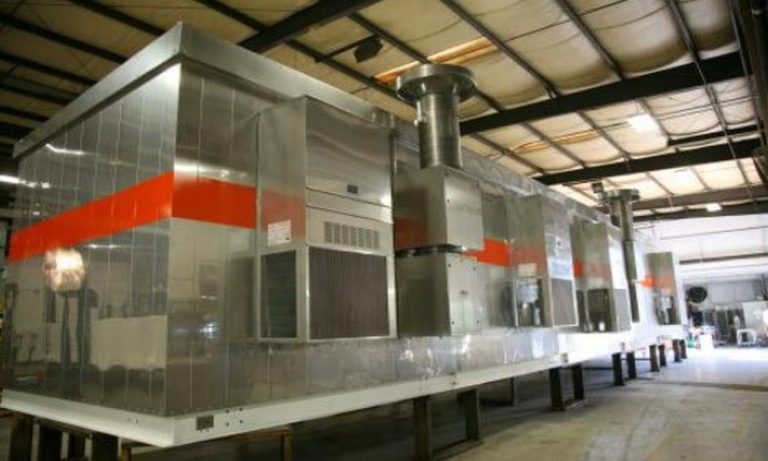
Mining projects operate in some of the toughest environments on earth. From remote locations to heavy equipment demands, every system on-site depends on reliable electrical components. Choosing the right Electrical Supply House can make the difference between smooth operations and costly downtime. For many mining companies, working with a trusted provider like Swartz Engineering ensures access to high-quality electrical materials, expert guidance, and dependable support.

Why Electrical Supply Matters in Mining

Mining operations rely heavily on electrical infrastructure. Conveyor systems, drilling equipment, ventilation systems, and processing plants all require durable and consistent power solutions. A dependable Electrical Supply House provides the essential parts that keep these systems operating efficiently.

When equipment fails due to poor-quality components or delayed replacements, production stops. In a mining project, even a few hours of downtime can translate into significant financial loss. That’s why project managers prioritize suppliers who understand industrial requirements and can deliver reliable products quickly.

Key Qualities of a Reliable Electrical Supply Partner

Not all suppliers are equipped to support mining operations. The best Electrical Supply House will offer more than just shelves of parts. They provide specialized knowledge, strong logistics, and a deep inventory designed for industrial environments.

Some important qualities to look for include:

  • Industrial-grade inventory: Mining requires heavy-duty cables, control panels, circuit protection devices, and power distribution systems built to withstand harsh conditions.
  • Technical expertise: Experienced engineers and support teams can help recommend the right components for specific mining applications.
  • Fast and reliable delivery: Mining sites often operate on strict timelines, so suppliers must be capable of quick turnaround and consistent availability.
  • Long-term reliability: A supplier should act as a partner, helping projects scale, upgrade, and maintain their electrical systems over time.

How Swartz Engineering Supports Mining Projects

Mining companies often face unique electrical challenges-from high-load machinery to rugged environmental conditions. Swartz Engineering stands out as a dependable Electrical Supply House because it focuses on providing tailored solutions for demanding industries.

Their team understands the operational pressures that mining companies face. Instead of simply selling components, they work closely with project managers and engineers to ensure that the right electrical systems are installed from the start. This approach reduces equipment failures, improves energy efficiency, and supports long-term project stability.

In addition, their broad selection of electrical equipment helps mining operations maintain consistent performance. Whether it’s power distribution systems, motor controls, or industrial wiring solutions, a trusted Electrical Supply House ensures that every component meets the highest reliability standards.

Powering the Future of Mining

Modern mining projects demand smarter infrastructure, stronger electrical systems, and partners who understand complex industrial needs. Working with a proven Electrical Supply House helps mining companies maintain productivity, improve safety, and minimize operational risks.

By partnering with experienced providers like Swartz Engineering, mining projects gain more than just equipment-they gain a reliable support system that keeps their operations powered and productive from the ground up.

For nearly half a century, Swartz Engineering has been at the forefront of industry safety. They are a family-owned company specializing in power distribution for the electrical industry. They are the leading manufacturer of Electrical Supply House. Our design ensures maximum flexibility for excellent reliability and a high return on investment.

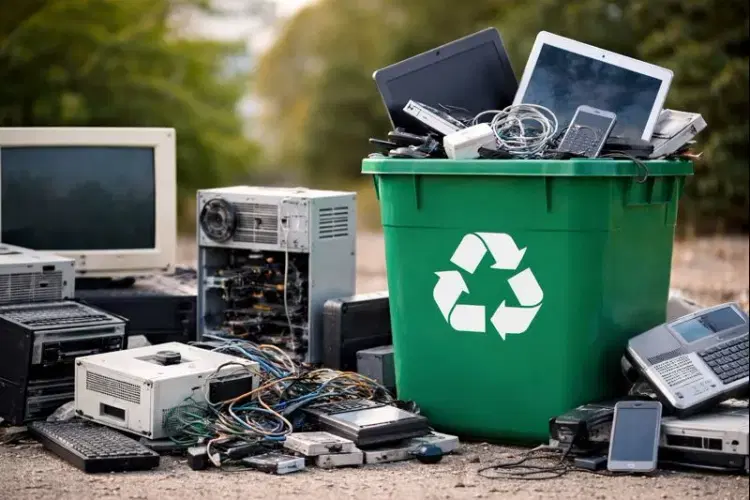
Most people believe they understand how to recycle electronics, yet the evidence suggests otherwise. In Singapore alone, the National Environment Agency estimates that 94% of electronic waste still ends up incinerated or landfilled rather than properly recycled. This striking gap between intention and outcome reveals a landscape riddled with misconceptions, procedural errors, and unintended consequences. The mistakes we make when disposing of our electronic devices are not merely administrative inconveniences. They represent lost resources, environmental contamination, and missed opportunities to build a more sustainable technological future.

Mistake One: Confusing General Recycling with E-Waste Recycling

The most common error occurs before the disposal process even begins. Many Singaporeans place electronic devices in blue recycling bins designated for paper, plastic, and metal. This seemingly logical choice creates significant problems downstream. Electronics contain complex assemblies of materials, many of which require specialised processing. When mobile phones or computer peripherals enter standard recycling streams, they contaminate otherwise recyclable materials and often end up rejected at sorting facilities.

Research conducted by the National Environment Agency found that contamination from improperly sorted waste reduces the efficiency of recycling operations and increases processing costs. Recycle electronics requires dedicated collection systems precisely because these devices contain both valuable and hazardous materials that general recycling facilities cannot handle.

The solution is straightforward: use designated e-waste collection points exclusively. Singapore maintains over 600 such locations across the island, marked specifically for electronic waste. These bins, typically red or clearly labelled, connect to processing facilities equipped to safely extract valuable materials and contain hazardous substances.

Mistake Two: Delaying Disposal Indefinitely

Walk into any Singaporean household and you will likely find a drawer filled with obsolete electronics. Old mobile phones, tangled cables, dead calculators, and broken headphones accumulate because disposal seems complicated or because we imagine we might need them someday. This hoarding instinct, while understandable, exacerbates the e-waste problem.

Delaying disposal means delaying recovery of valuable materials. The circuit board in your forgotten smartphone contains recoverable gold, silver, and copper. Every month these devices sit unused, global demand for newly mined metals increases, driving environmentally destructive mining operations. According to materials science research, one tonne of circuit boards contains more gold than 17 tonnes of gold ore. When we stockpile old electronics at home, we are quite literally sitting on valuable resources the recycling industry could repurpose.

Moreover, older electronics stored improperly can leak battery acid or other corrosive substances, creating household hazards. The batteries in stored devices degrade over time, increasing fire risk.

Mistake Three: Attempting DIY Disassembly

The internet abounds with videos demonstrating how to extract valuable components from electronics. Some individuals, motivated by curiosity or perceived profit, attempt to dismantle devices before recycling. This approach, however well-intentioned, creates multiple problems when you recycle electronic waste.

Electronics contain hazardous materials including lead in solder, mercury in switches and backlights, cadmium in batteries, and brominated flame retardants in plastic casings. Professional recycling facilities employ trained technicians working in controlled environments with proper safety equipment and ventilation systems. Home disassembly exposes individuals to these substances without adequate protection.

Furthermore, partial disassembly reduces the recyclability of devices. Modern electronics integrate materials in ways that require sophisticated separation techniques. When components are removed haphazardly, the remaining materials become harder to process efficiently, and valuable substances may be lost entirely.

Mistake Four: Neglecting Data Security

The intersection of e-waste recycling and data protection reveals another common failing. Many people assume that deleting files or performing factory resets adequately protects their personal information. Digital forensics research demonstrates otherwise. Data recovery specialists can often retrieve information from devices that appear wiped clean.

The consequences extend beyond personal embarrassment. Improperly erased devices containing business information, financial records, or personal photographs create security vulnerabilities. Professional data destruction requires either physical destruction of storage media or multiple-pass overwriting using specialised software.

This mistake is particularly prevalent with office equipment. Printers and photocopiers contain hard drives storing copies of every document processed. Few organisations recognise this vulnerability before disposal.

Mistake Five: Ignoring Battery Protocols

Batteries represent a distinct category within electronic waste, yet many people treat them identically to other components. The National Environment Agency specifically requires separate collection of batteries due to fire risks during transport and processing. Lithium-ion batteries, now ubiquitous in portable electronics, can ignite if punctured or crushed.

Proper battery disposal involves:

  • Removing batteries from devices when possible
  • Taping battery terminals to prevent short circuits
  • Placing batteries in designated battery collection bins separate from electronics
  • Never disposing of batteries in general waste or recycling bins

Singapore experienced several collection vehicle fires in recent years attributed to improperly disposed batteries. These incidents highlight the real-world consequences of disposal errors.

Mistake Six: Discarding Repairable or Reusable Electronics

Perhaps the most fundamental mistake involves premature disposal. Singapore’s push for electronic recycling aims to reduce waste, but an even more sustainable approach involves extending device lifespans through repair and reuse.

The repair economy offers alternatives to disposal. Community repair workshops, social enterprises, and independent technicians throughout Singapore provide affordable repair services. Many electronic failures result from simple issues: depleted batteries, loose connections, or software problems easily remedied at minimal cost.

For devices beyond repair but still functional, donation programmes connect working electronics with individuals and organisations unable to afford new equipment. The National Environment Agency reports that extending device lifespans by just one year significantly reduces the environmental impact of electronics consumption.

The Path Forward

Understanding these common mistakes transforms electronic waste management from an abstract environmental concern into a practical set of behaviours. Each avoided error represents materials conserved, hazards contained, and resources redirected toward productive use rather than landfill. The infrastructure for proper disposal exists throughout Singapore. What remains is for residents to navigate that infrastructure correctly, armed with knowledge about what works, what fails, and why the distinction matters when we recycle electronics.